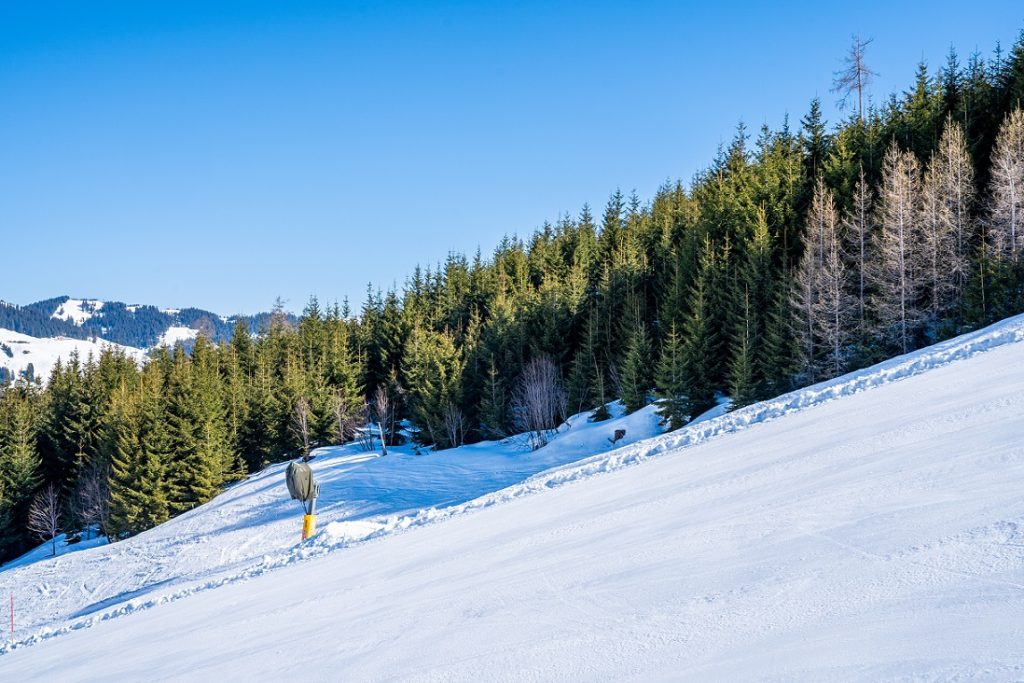
The Timeless Allure of the Mountains
Perched amidst the snow-capped peaks and pristine valleys of Europe’s greatest mountain ranges, Alpine property represents an unparalleled blend of luxury, lifestyle, and investment opportunity. For centuries, the Alps have captivated buyers with their natural beauty, world-class skiing, and timeless appeal. Today, the allure of owning a home in the Alps remains as strong as ever, with the market showing remarkable resilience and growth.
From rustic chalets to contemporary apartments, Alpine properties cater to a diverse audience. But beyond the romance of the mountains lies a highly competitive market shaped by unique regulations, economic trends, and shifting buyer preferences. Here’s what prospective buyers need to know.
A Resilient Market with Rising Demand
Despite global economic challenges, the Alpine property market has remained buoyant. Recent data from Knight Frank reveals that prime ski resort properties have appreciated by an average of 5% annually over the past five years. In high-demand destinations like Verbier, Courchevel, and St. Anton, prices are climbing even faster, reflecting the scarcity of available properties and the continued appeal of these iconic locales.
International buyers play a significant role in fuelling this demand. Wealthy individuals from the UK, Germany, and the United States are particularly drawn to the Alps, not just for their world-class skiing but for the sense of exclusivity and security that Alpine property ownership conveys. Moreover, the growing trend of remote working has allowed buyers to spend extended periods in these mountain havens, further boosting demand.
Prime Locations for Alpine Investment
The Alps span eight countries, but Switzerland, France, and Austria dominate the market for international buyers. Each offers a distinct character and unique opportunities.
Switzerland is synonymous with exclusivity, thanks to its stable economy, stunning landscapes, and strict property laws. Resorts such as Verbier, Zermatt, and St. Moritz are the crown jewels of the Swiss Alps. Here, luxury chalets routinely command prices upwards of CHF 15 million (£13 million), reflecting their prime locations and unmatched amenities. Buyers should be aware, however, of the Lex Koller law, which restricts foreign ownership of residential properties to specific holiday areas.
France, home to the vast Three Valleys ski area, offers a more accessible market without restrictions on foreign ownership. Courchevel, particularly its 1850 level, is a byword for opulence, with chalets selling for €10 million (£8.6 million) or more. Meanwhile, emerging resorts like Les Gets and Samoëns present more affordable options, with property prices starting at around €500,000 (£430,000).
Austria provides an appealing alternative, especially for those seeking value. Resorts like Kitzbühel and Zell am See offer properties starting at €800,000 (£690,000), making them attractive for buyers priced out of the Swiss and French markets. Austria’s foreign ownership laws are also more lenient, streamlining the buying process for international investors.
Understanding the Costs of Ownership
Alpine property ownership comes with significant financial considerations. Beyond the purchase price, buyers must account for transaction costs, taxes, and maintenance expenses.
In Switzerland, notary fees, land registry charges, and other costs typically add 3-5% to the purchase price. Property taxes vary by canton but are generally modest. By contrast, France imposes higher transaction fees, averaging 7-8%, and additional taxes for high-value properties. Austria’s fees are generally lower, at around 4-6%, offering a middle ground for cost-conscious buyers.
Financing options differ by country. Swiss banks offer some of the most competitive mortgage rates in Europe, with fixed rates often below 2%. French banks require larger down payments—usually 20% or more—but remain accessible to foreign buyers. Austrian lenders are similarly flexible, particularly for EU residents, making financing a viable option across the region.
Rental Income and Investment Potential
For many buyers, Alpine property is not just a lifestyle purchase but also an income-generating asset. Rental demand in premier resorts remains robust, driven by skiers and holidaymakers seeking premium accommodations.
During the ski season, rental yields in top resorts like Verbier or Courchevel can be substantial. A mid-range chalet can fetch weekly rates of €7,000 (£6,000), while luxury properties can earn over €25,000 (£21,600). In emerging markets such as Austria, yields are slightly lower but more consistent year-round, thanks to the appeal of summer tourism.
However, potential investors must consider local tax regulations. France, for example, requires non-resident landlords to pay income tax on rental earnings, while Switzerland applies cantonal tax rates that vary by location. Buyers should engage local financial experts to ensure compliance and optimise returns.
Sustainability and Renovation Opportunities
Sustainability is becoming a key consideration in the Alpine property market. Many buyers are prioritising properties with eco-friendly features, such as solar panels, energy-efficient heating systems, and enhanced insulation. Governments across the region offer incentives for green renovations, particularly in France and Switzerland, where energy standards are increasingly stringent.
Older chalets and apartments often present excellent renovation opportunities. These properties can be transformed into modern, sustainable homes, increasing their value and appeal. While the upfront costs of renovation can be high, the long-term benefits—both financial and environmental—are significant.
A Lifestyle Beyond the Slopes
The lifestyle appeal of Alpine property extends far beyond skiing and snowboarding. Many resorts have evolved into year-round destinations, offering hiking, mountain biking, and wellness retreats during the warmer months. This shift not only enhances the experience for owners but also boosts rental potential outside the traditional ski season.
Modern Alpine properties cater to the evolving needs of buyers. High-end chalets now come equipped with amenities such as private spas, home cinemas, and wine cellars, ensuring a luxurious experience in any season. For those seeking tranquillity, the Alps provide a serene escape from urban life, with breathtaking views and a connection to nature that is increasingly rare.
Legal Considerations and Professional Guidance
Navigating the complexities of the Alpine property market requires expert guidance. Each country has its own legal framework, tax system, and regulations governing foreign ownership. Buyers should work with experienced estate agents and legal advisors to ensure a smooth transaction.
In Switzerland, the role of the notary is critical. Acting as a neutral party, the notary oversees the sale, verifies compliance with local laws, and registers the property. Similarly, in France and Austria, legal professionals play an essential role in guiding buyers through the process, from drafting contracts to handling taxes.
Working with trusted professionals not only ensures legal compliance but also provides access to exclusive listings and valuable market insights. Buyers should prioritise agents affiliated with reputable organisations, such as the Swiss Real Estate Association or France’s FNAIM.
Is Alpine Property Right for You?
Owning Alpine property is as much an emotional decision as a financial one. For those who value lifestyle, exclusivity, and long-term stability, the Alps offer a unique opportunity to invest in a dream home. Whether it’s a sleek apartment in St. Moritz, a rustic chalet in Chamonix, or a family retreat in Kitzbühel, the options are as diverse as the landscape itself.
The process requires diligence, from understanding local regulations to assessing the financial implications. But for those willing to invest the time and resources, the rewards are immeasurable. An Alpine property is not just a home—it’s a statement of prestige, a connection to nature, and a legacy for future generations.
Financial Disclaimer:
The information provided in this article is for general informational purposes only and does not constitute financial advice. While every effort has been made to ensure the accuracy of the content, market conditions may change, and unforeseen risks may arise. The author and publisher of this article do not accept liability for any losses or damages arising directly or indirectly from the use of the information contained herein.
Copyright: 2024 skiingpropertyforsale.com
Picture by: freepik.com