Alpine property and mountain living
The 2026 Strategic Playbook for Alpine Property Viewing Trips
A well-planned viewing trip reveals more than attractive rooms and mountain views. Use this practical 2026 playbook to compare resorts, test everyday routines and return home with the information needed for a confident next step.
Define what the trip needs to achieve
An Alpine property viewing trip should answer a clear question: which home, in which setting, suits the way you intend to use it? Without that focus, it is easy to spend several days admiring chalets while learning little about ownership. The best trips combine property appointments with time to experience the destination independently.
Write a brief before booking travel. State your total purchase budget, preferred property type, required bedrooms and intended balance of family use, remote working and letting. Separate essentials from preferences. Step-free access might be essential; an outdoor hot tub might not be. Agree those distinctions with everyone involved in the decision.
For 2026, the strategic advantage is preparation rather than speed. Digital tours can narrow the field, but they cannot reproduce a morning walk to lessons, the sound outside a bedroom window or the practicality of arriving after dark. Reserve the trip for questions that genuinely benefit from being there.
Shortlist one area before adding another
Start with a manageable geographic cluster. Nearby resorts can have very different personalities, and two villages that look close on a map may involve a substantial drive. Avoid building an itinerary around summer road estimates or routes that rely on a mountain pass being open.
Compare access, village services, skiing, summer activities and the type of community you want. A lively centre may suit frequent short breaks, while a quieter setting may offer more space and privacy. Neither is automatically better; the useful comparison is with your actual household routines.
Browse our Alpine properties for sale to establish a realistic shortlist, then ask for current availability before arranging appointments. Confirm exact locations privately with the agent where appropriate. An attractive listing should earn a place on the itinerary by meeting your brief, not simply by photographing well.
Choose a season that reveals the right information
Winter is valuable when your decision depends on ski access, snow clearance, equipment storage and the journey to lessons. A visit during a busy period can also show traffic, parking pressure and the atmosphere around lifts. Balance that information against higher travel costs and more competition for accommodation and appointments.
Summer reveals gardens, terraces, external condition and the wider landscape differently. It is useful for judging walking and cycling opportunities, road access and whether the destination appeals beyond skiing. A summer visit cannot confirm the ease of a particular ski route, just as a snowy visit can conceal parts of the grounds.
Shoulder-season trips can provide more appointment flexibility, but some restaurants, lifts and services may close. Check opening calendars rather than interpreting a quiet week as proof of year-round inactivity. If a property becomes a serious contender, a second visit in a contrasting season can resolve questions the first trip leaves open.
Request a useful information pack before travelling
Ask for the floor plan, stated areas, bedroom arrangements, parking, storage and an explanation of what is included in the sale. For an apartment, request available information on service charges, shared facilities and proposed building works. For a chalet, ask about access arrangements, heating and responsibility for snow clearance.
If rental income matters, request evidence that separates achieved bookings from projections and owner-blocked dates from vacancies. Ask what permissions or building rules apply, without assuming an existing holiday advert settles the legal position. Obtain important documents early enough to identify questions before you arrive.
Arrange an initial finance conversation and decide how much you can commit after taxes, professional fees, furnishings and reserves. Our ski property buying guide provides a practical overview. The viewing trip should test a financially workable shortlist rather than introduce a budget that changes with every impressive living room.
Plan the complete journey, not just the flight
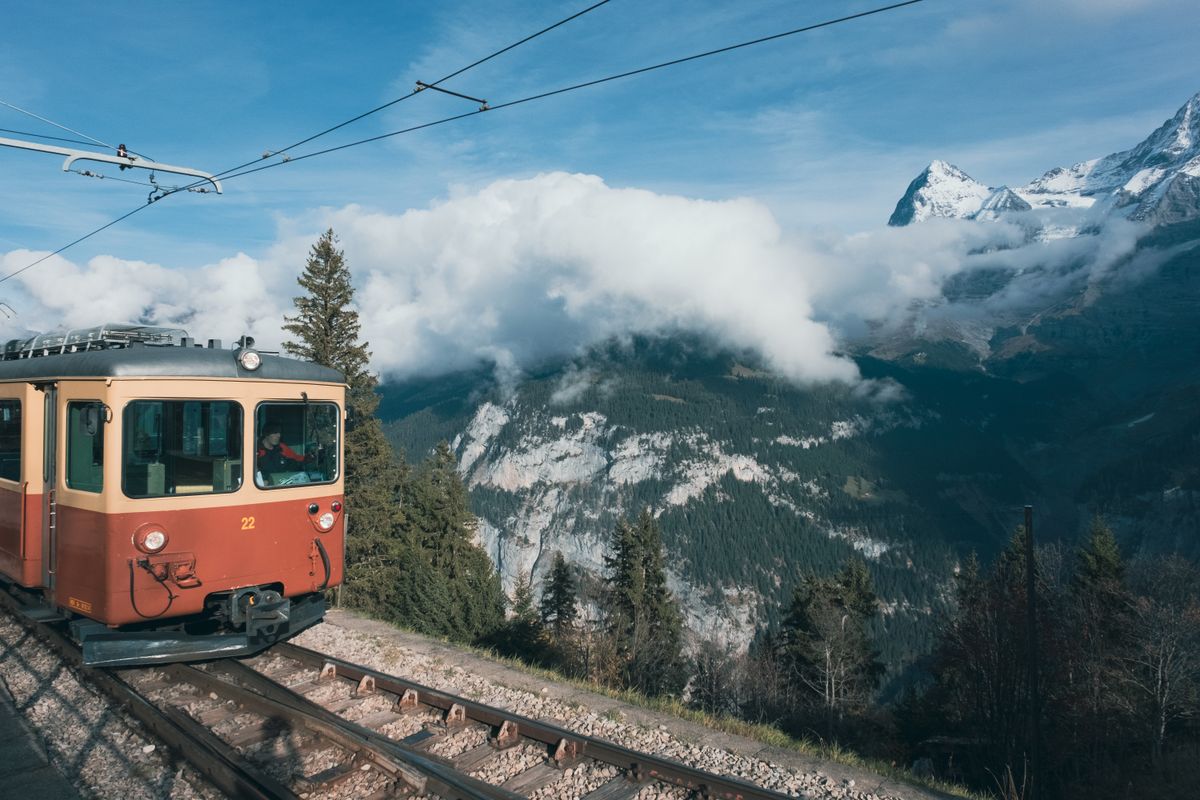
Compare the journey from your front door to the accommodation, including baggage, border procedures, transfers and the last uphill section. The shortest flight is not necessarily the easiest journey. Rail can be a useful option for some Alpine destinations, particularly when the village has convenient onward connections.
Switzerland Tourism highlights its integrated train, bus and boat travel options and provides practical planning information for visitors. That makes public transport worth examining, not a guarantee that every property can be reached without a car. Check actual timetables, luggage arrangements and the final connection to each appointment.
For a car-based trip, confirm winter equipment and cross-border permissions with the rental company. France's official road-safety guidance requires appropriate winter tyres or carried chains or snow socks in designated mountain communes from 1 November to 31 March. Local signs and conditions matter; do not assume a hired vehicle automatically meets every requirement.
Build a realistic three-day viewing itinerary
Use day one to arrive, understand the village and see one or two priority homes if timing allows. Walk around your accommodation, locate shops and transport, and check how the area feels outside the property's marketing photographs. Avoid making the first appointment dependent on a flight arriving exactly on schedule.
On day two, group appointments by location and leave time between them for travel and notes. Two or three substantial viewings can be more useful than a crowded sequence of brief tours. Include lunch or a coffee stop in the area you might actually use, rather than treating the village as scenery between buildings.
Keep day three for a second visit to the strongest option, outstanding questions and an independent check of the surrounding area. This is an illustrative structure, not a fixed formula. Appointment availability, daylight and weather should determine the final plan, with contingency time protected rather than filled automatically.
Test the everyday routes you will actually use
Walk from the property to the lift, ski-school meeting point, bus stop and nearest useful shop where access is public and safe. Consider the same journey with children, ski boots or shopping. Ask whether a ski-in/ski-out description applies to the specific building and route, and under what conditions.
Check the arrival sequence: where a car stops, how luggage reaches the entrance and where wet clothing and equipment go. Confirm whether the advertised parking is allocated, covered or shared. An easy arrival can make frequent short stays more appealing than a property with a slightly more dramatic view.
Visit the neighbourhood at different times when practical. Observe traffic, deliveries, nearby venues and evening lighting. Ask about winter maintenance and access during snowfall. The aim is to understand ordinary use, not to conduct an informal snow or avalanche assessment; specialist hazards require appropriate local expertise.
Inspect the home consistently, room by room
Use the same checklist in every property. Note layout, natural light, privacy, heating controls, storage, mobile reception and any visible signs that merit professional investigation. Test whether advertised bedrooms and living areas feel comfortable for your intended group, rather than focusing only on maximum sleeping capacity.
Look at windows, bathrooms, ventilation and accessible external areas without treating a viewing as a building survey. Ask when major systems were installed and serviced, and request supporting records where available. Snow, furniture and fresh decoration can limit what you can see; unanswered questions should remain visible in your notes.
Obtain permission before taking photographs or recordings, particularly in occupied homes. Label your notes immediately with the property reference and room. Avoid photographing personal documents or possessions unnecessarily. A few organised observations are more useful than dozens of images you cannot later connect to the correct home.
Compare total ownership, not just asking prices
A lower asking price does not automatically produce the more affordable home. Compare acquisition charges, expected maintenance, service charges, insurance, heating and any necessary furnishings or improvements. Keep purchase costs separate from recurring expenses so you can see both the initial commitment and the annual burden.
Ask who maintains shared spaces, roads and facilities, and whether substantial work is planned. Distinguish documented figures from estimates and record the period covered. A charge quoted monthly, annually or per stay can sound similar while representing very different costs.
If prices and your funds are in different currencies, use a clearly dated comparison rate for your shortlist and allow for conversion costs. Recheck the figures before making a commitment. The viewing agent can help obtain information, but tax, legal and finance questions should be confirmed with appropriately qualified advisers.
Keep travel administration from disrupting the plan
British travellers should check the current GOV.UK entry guidance for each country on the itinerary. For France, the published advice for British citizen passports requires an issue date less than ten years before arrival and validity extending at least three months beyond the planned departure from the Schengen area.
France's guidance also explains the 90-days-in-any-180-days limit for eligible visa-free short visits across the Schengen area and the European Entry/Exit System's biometric registration process. Check your own circumstances and current instructions rather than treating a property viewing as an exemption. Allow extra time for border procedures and keep accommodation and onward-travel details accessible.
Arrange suitable insurance and check any planned winter-sports cover separately. Carry essential contact details offline and agree how to reach the agent if travel changes. Buying a property does not itself resolve immigration or residency requirements; keep the ownership decision and travel permissions distinct.
Use a scorecard and follow up while details are fresh
After each viewing, score the essentials before discussing the décor. A simple comparison might cover location, access, layout, condition, annual costs and suitability across seasons. Use the same scale, but keep deal-breakers separate: an unsuitable staircase is not necessarily offset by a high score for the view.
Give each decision-maker time to write independent impressions. Then identify where opinions differ and which questions could change the outcome. A second visit is most valuable when it has a purpose, such as checking morning light, a bedroom arrangement or the exact walking route.
Send a concise follow-up request covering missing documents and specific questions. Ask for important representations in writing, and involve your independent adviser before committing. A productive trip may produce a preferred property, a revised brief or a decision not to proceed; all three can be useful results.
Leave with a decision process, not holiday momentum
Within a few days of returning, compare the leading homes against your original objectives and total budget. Separate what you verified from what remains uncertain. Decide whether to request further information, arrange professional checks, make a carefully considered offer or continue searching.
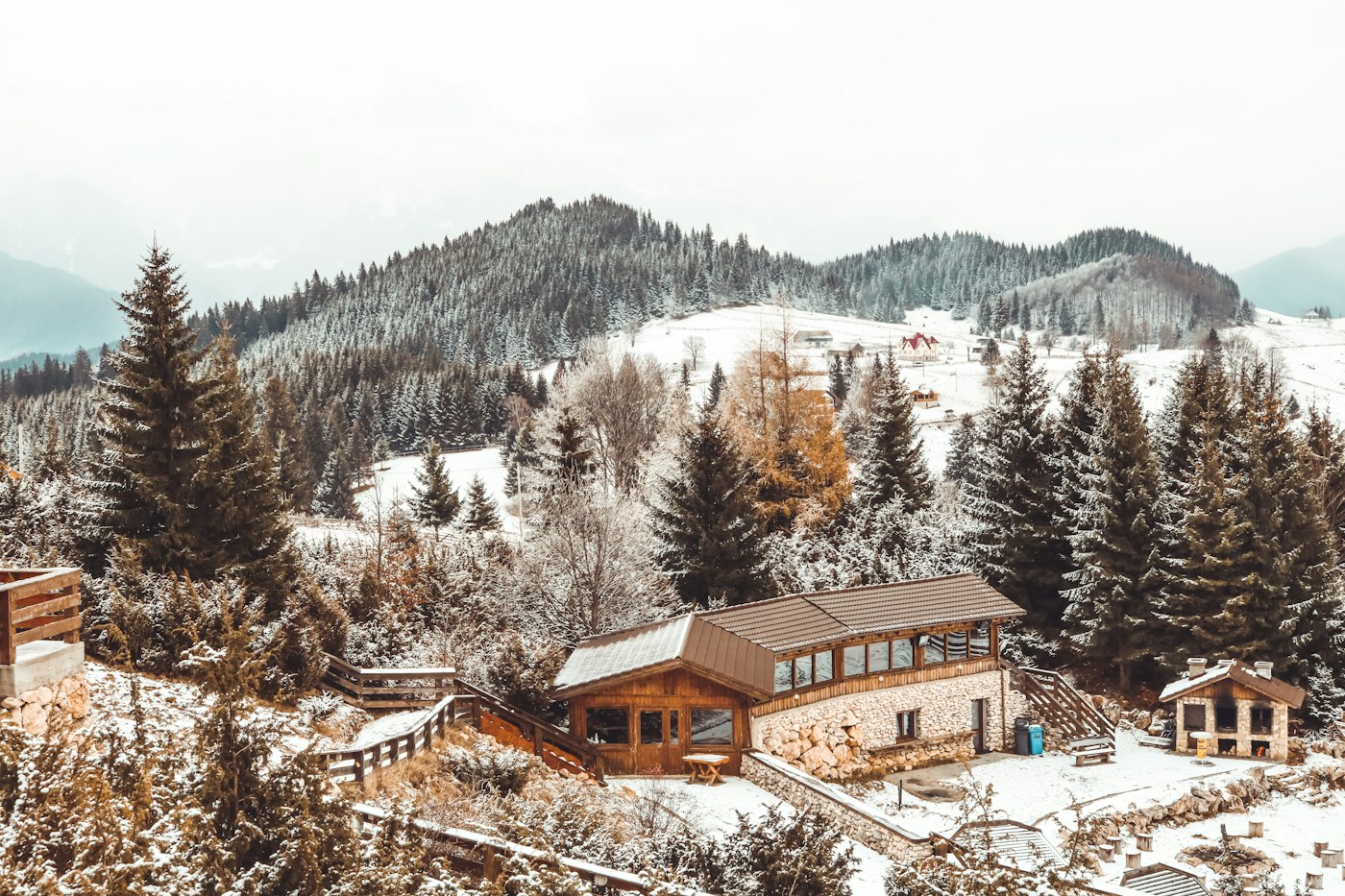
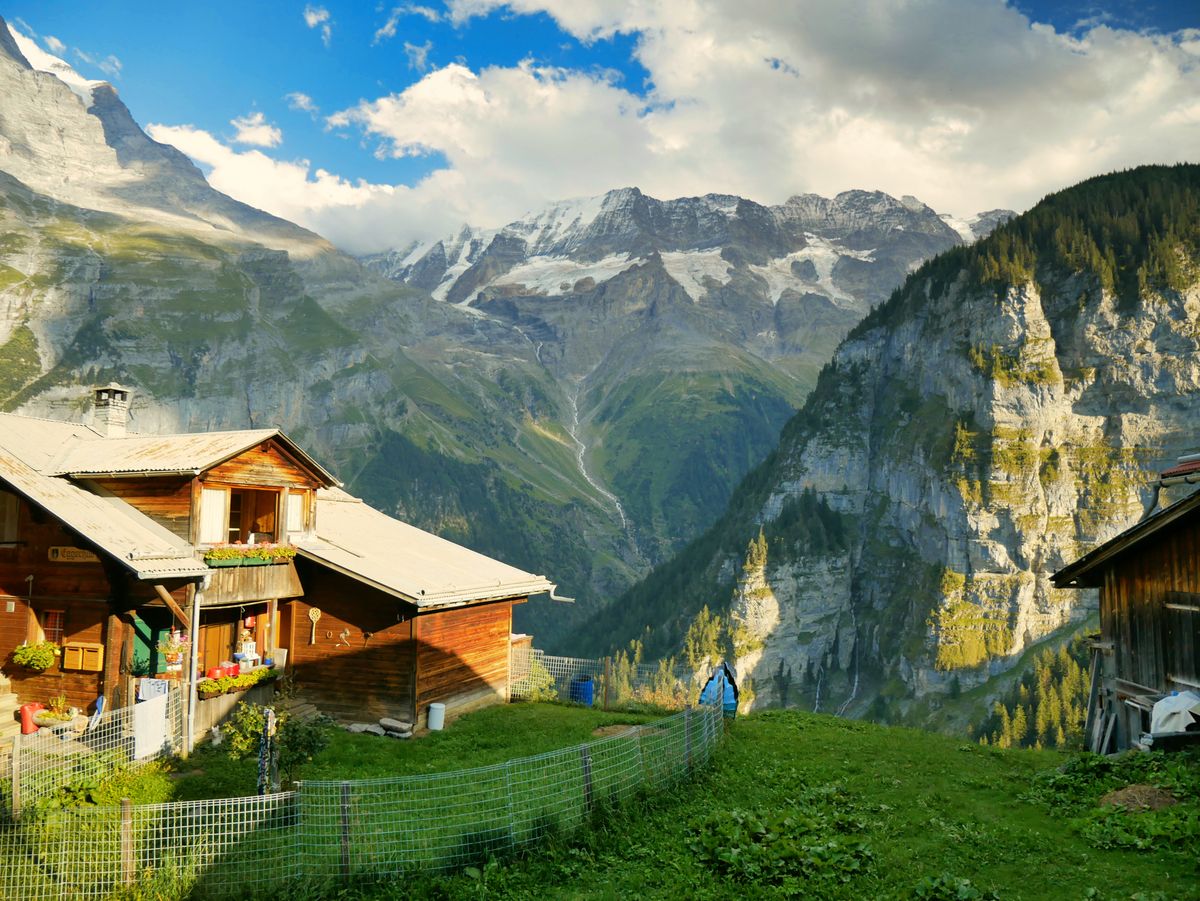
This playbook draws on GOV.UK's France entry guidance, France's official Sécurité Routière winter-equipment guidance and Switzerland Tourism's transport information, reviewed in October 2026. Requirements and services can change, so verify them again before departure. The photographs are illustrative Alpine scenes from Unsplash and Pexels, not evidence of the facilities or access at a listed property.
Continue your shortlist on the [skiing property for sale](/) homepage. The purpose of a strategic viewing trip is not to make a rushed purchase. It is to understand the home, experience the destination and decide whether the two fit the life you want in the mountains.
Plan Alpine travel with Switzerland Tourism's official transport guide