Alpine property and mountain living
Can a British person buy a house in Norway?
Yes, British citizens can buy property in Norway, including while living in the UK. Here is how ownership, holiday use, financing and the purchase process fit together.
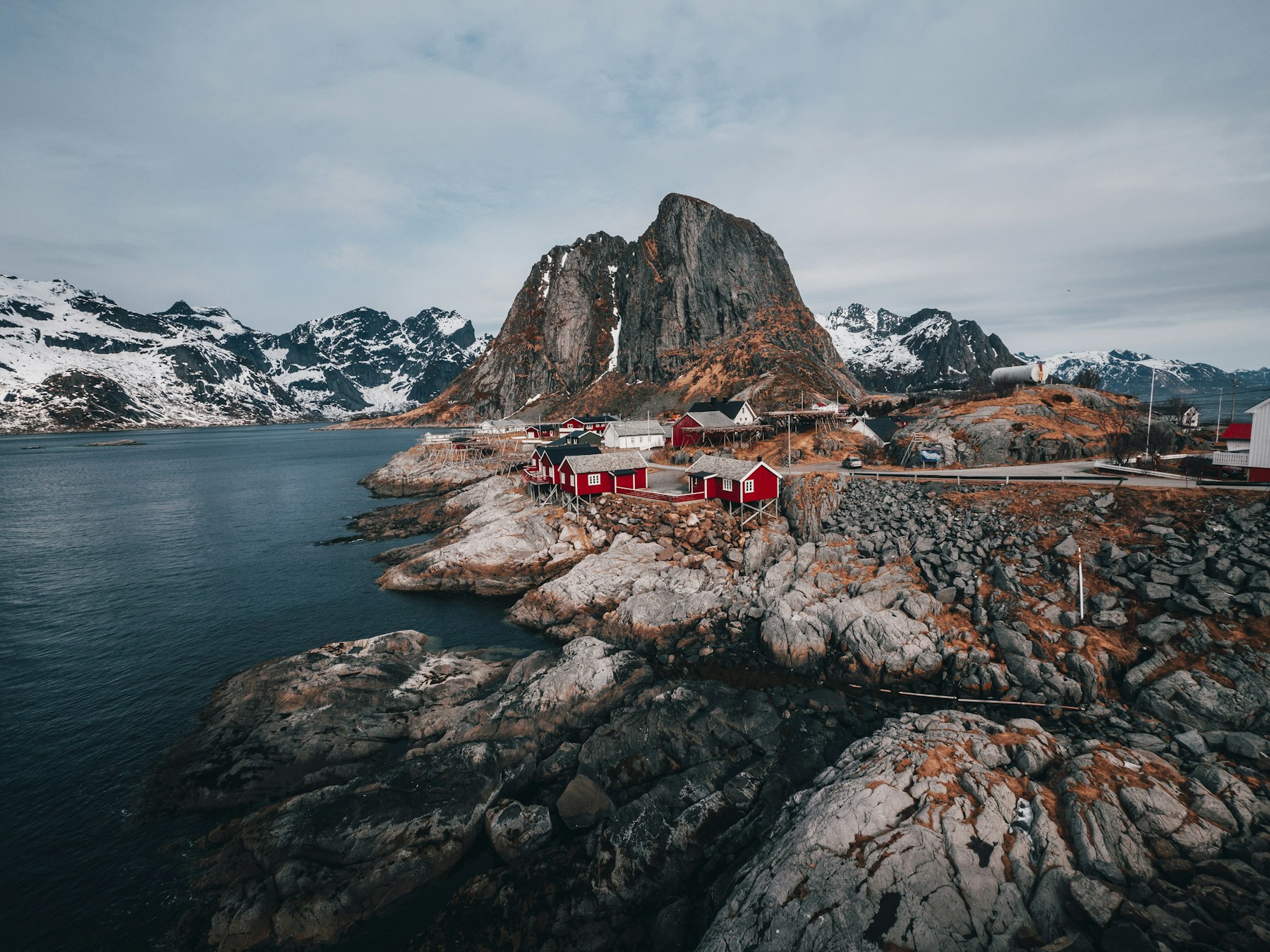
The short answer: yes, British citizens can buy Norwegian property
A British person can buy a house in Norway without first becoming a Norwegian resident. Info Norden, the official information service of Nordic cooperation, states that foreign citizens can purchase property whether they live in Norway or abroad. That is encouraging for UK buyers considering a mountain apartment, a family holiday home or a permanent move. There is no general nationality-based ban on ordinary residential purchases.
The qualification is that the rules attached to a particular property still matter. Some homes carry occupation requirements, agricultural obligations or pre-emption rights. The sensible starting point is therefore not whether British buyers are welcome, but whether the chosen property suits your intended use. Establish that early, and the purchase becomes a practical process of selecting the right location, arranging finance and completing the necessary checks.
Buying after Brexit: ownership is separate from residency
Brexit changed the immigration position for many British citizens, but it did not remove their general ability to buy Norwegian property. Norway belongs to the European Economic Area and the Schengen area, although it is not an EU member. British citizenship alone no longer gives a new arrival the same free-movement rights as an EU or EEA national. Property ownership and permission to live or work in Norway are separate questions.
For ordinary visits on a full British citizen passport, GOV.UK confirms visa-free travel for up to 90 days in any rolling 180-day period across the Schengen area. Days spent in other Schengen countries count towards that allowance. Owning a Norwegian holiday home does not extend it. Longer stays or a relocation require the appropriate immigration basis; existing Brexit-protected residents and dual nationals may have different rights. Plan the purchase around the time you can realistically spend there.
Holiday home or permanent home: establish the permitted use
A purpose-designated holiday property can be an appealing choice for someone keeping their main home in Britain. However, a house advertised in a scenic setting is not automatically a holiday home in planning terms. Confirm its classification, approved use and any obligation to keep it occupied as a year-round residence. The Norwegian term boplikt refers to a residence obligation, which may apply through local regulations or property-specific conditions.
The Norwegian Agriculture Agency explains that ordinary residential properties and apartments are generally exempt from concession requirements. Exceptions and conditions can still apply, especially to agricultural holdings, larger land purchases and municipalities with reduced concession limits. A concession is permission to acquire a property, normally considered by the municipality. Ask the agent to establish whether a permit or exemption declaration is required. These rules concern the property, not simply the nationality of its buyer.
Understand what you are buying: house, apartment or cooperative share
Norwegian listings use ownership descriptions that deserve a careful explanation. A selveier property is directly owned, which can include a house or an individually owned apartment within a jointly managed building. You may still contribute to shared maintenance, insurance and services. A borettslag purchase is different: you acquire a cooperative share carrying the right to occupy a particular dwelling, rather than directly owning that apartment as a separate freehold unit.
For cooperative housing, look beyond the asking price. Your allocated share of communal debt, known as fellesgjeld, and the monthly communal charge affect the real cost of ownership. Check the cooperative’s accounts, maintenance plans, occupation rules and any pre-emption rights. Where land is leased rather than owned, understand the ground-rent terms too. A clear explanation of the ownership structure helps you compare homes fairly instead of choosing on the headline price alone.
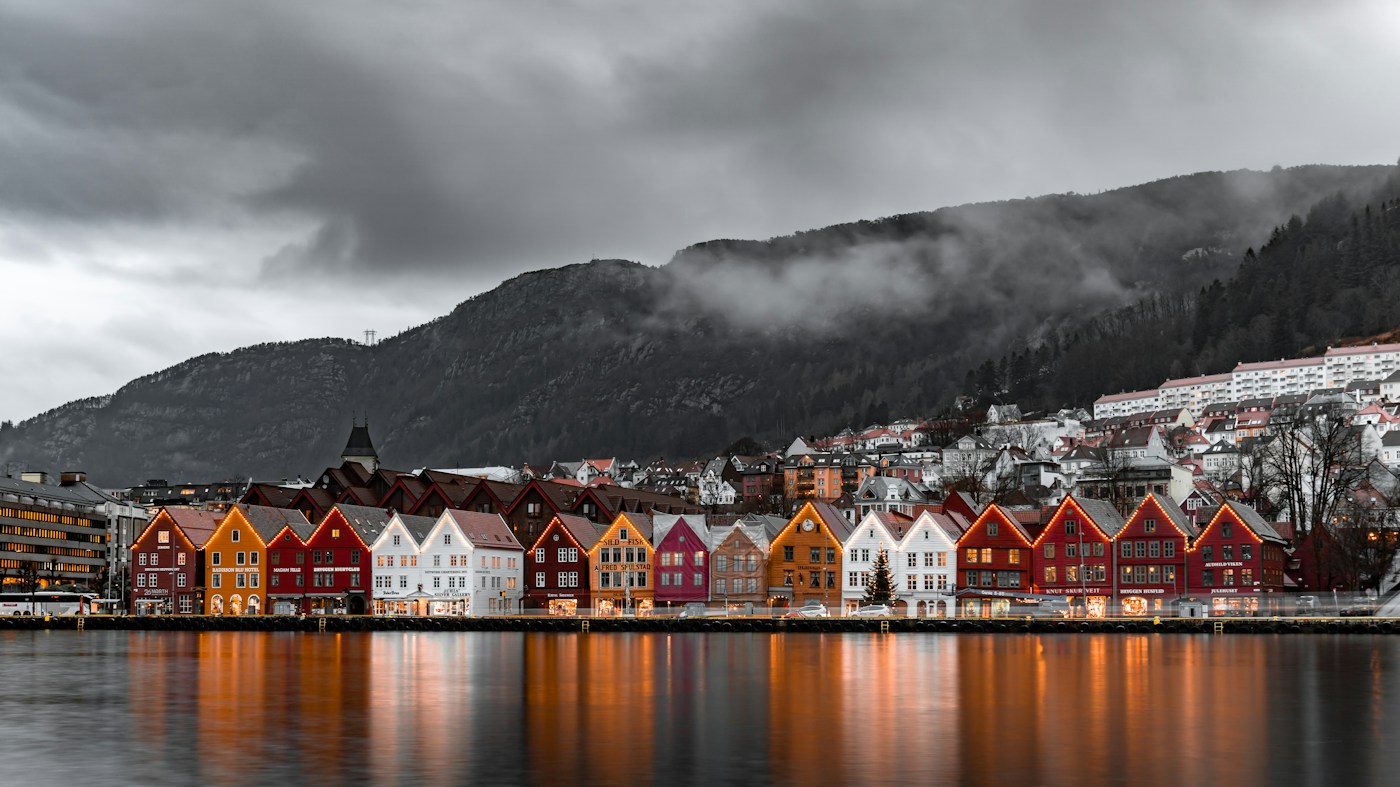
Choose a location around the life you want
Norway offers very different ownership experiences. A city home may prioritise transport and everyday services; a coastal property may offer sea views and seasonal visits; a mountain base may revolve around skiing, walking and time outdoors. For British buyers, the journey from the UK is part of the decision. Consider the airport, onward transport, final access road and how easily you could arrive for a shorter break.
Visit the area before committing, preferably during the season you expect to use it most. A beautiful view matters, but so do storage, heating, shops, parking and the practical arrangements when you are away. Choose accommodation that works for the whole household. If skiing is central to your plans, our Kvitfjell Ski Resort and Svartskardvegen guide introduces a Norwegian mountain destination with Olympic heritage and a relaxed atmosphere.
Identification, a D-number and proof of funds
A foreign buyer who does not already have a Norwegian national identity number may need a D-number for registration. Kartverket, the Norwegian Mapping Authority, can request one for a specific Land Registry transaction. Its published procedure requires an application accompanying the registration documents and a recently certified colour copy of suitable identification, such as a passport. Your agent or legal adviser can organise the documentation and explain the timetable.
A D-number is an administrative identifier, not a residence permit. Banks and transaction professionals will also conduct identity and anti-money-laundering checks. Prepare evidence of your source of funds, employment or other income, and any loan arrangements before the purchase reaches its final stages. Confirm how you will sign documents if you do not have Norwegian electronic identification. Organising these details early helps avoid preventable delays around completion.
Can a British buyer get a mortgage in Norway?
Some Norwegian banks lend to foreign nationals, but approval is not automatic, particularly for non-residents with income in sterling. Lenders assess income, existing debts, the property and their own eligibility criteria. A cash buyer avoids the mortgage application but still needs funds verification and a workable transfer arrangement. If you require finance, obtain a written assessment before entering a binding bidding process.
The Ministry of Finance increased the general maximum mortgage loan-to-value ratio from 85% to 90%, effective from 31 December 2024, while retaining the general debt-to-income limit of five times annual income. These are regulatory limits, not a promise of a 90% loan. Banks can require more equity, and holiday-home or non-resident lending may have different terms. Older guides quoting a universal 15% minimum deposit should not replace a current, property-specific lending decision.
Purchase costs: allow for more than the agreed price
The largest additional cost in many directly owned property transactions is dokumentavgift, usually translated as document duty or stamp duty. The Norwegian Tax Administration states a standard rate of 2.5% of the property’s market value at registration. For an illustrative existing home valued at NOK 4 million, that would be NOK 100,000 before registration fees and other expenses, assuming no exemption applies.
Do not apply that example indiscriminately. Kartverket confirms that transfers of housing-cooperative shares do not attract document duty. New-build transactions and other qualifying cases can have different duty treatment. Request a written completion estimate for the exact property, including registration, legal assistance, finance charges and any currency-transfer costs. Confirm whether a new-build listing includes all options and fittings. An itemised budget makes a Norwegian purchase easier to compare with a home elsewhere.
Managing pounds, kroner and the purchase budget
Norwegian property is generally priced and settled in Norwegian kroner, not pounds or euros. A sterling budget can therefore buy a different amount of property as exchange rates move. Treat any converted price as a guide, and establish the actual NOK amount you must provide at completion. Compare transfer fees and exchange-rate margins as well as the headline rate.
If income and savings remain in Britain, consider how you will pay Norwegian bills and any mortgage over time. A local account may be useful, but opening one involves the bank’s own identification checks. Ask about expected processing times rather than assuming everything can be arranged during a viewing trip. Sensible currency planning supports the purchase; it should not depend on predicting a favourable exchange-rate movement.
The purchase process: view, investigate, then bid
Norwegian homes are commonly marketed with a sales prospectus, a condition report and scheduled viewings. Read the documents before offering, not after. Clarify the condition of the roof, heating, drainage and wet rooms; review registered rights, access arrangements and relevant planning information. Ask for explanations or translation where needed, and use an independent specialist for issues outside your expertise.
Bidding differs from the familiar English and Welsh approach. EiendomsMegler 1’s buyer guidance explains that written bids are binding during their validity period, and acceptance creates a binding agreement. Do not assume that you can withdraw while waiting to sign the later contract. Agree your price ceiling and any financing or other conditions in advance. A well-prepared buyer can act confidently without relying on a last-minute opportunity to reconsider.
From accepted offer to keys and registration
After acceptance, the written sale contract sets out the agreed terms, payment arrangements and handover date. The settlement professional coordinates the purchase money and the transfer paperwork. Use the verified client-account instructions supplied through the transaction process and independently confirm any unexpected change to bank details. Arrange insurance and utilities so the home is ready when responsibility passes to you.
At handover, record the property’s condition, agreed contents, keys and meter readings. Registration with Kartverket documents the ownership transfer and protects the registered rights. Overseas signatures and a D-number application can affect the practical timetable, so discuss them beforehand. The aim is a coordinated completion in which the funds, documentation and arrival plans are aligned, rather than a rushed final transfer.
Running costs, tax and owning from the UK
Build an annual ownership budget alongside the purchase budget. Depending on the home, this can include electricity, insurance, municipal charges, local property tax, communal charges, maintenance and winter access costs. For an apartment, understand what the service charge covers and whether significant building works are planned. For a detached home, arrange reliable checks and maintenance when you are away.
Norwegian property can create Norwegian tax obligations even when its owner lives in Britain. The Tax Administration states that Norwegian real property falls within Norway’s wealth-tax rules regardless of residence; whether tax is payable depends on taxable values, debts, allowances and the individual situation. Rental income and a later sale may also have tax consequences. UK tax residents should obtain advice on UK reporting and relevant double-taxation relief, rather than assuming obligations stop at the border.
Can you rent out a Norwegian holiday home?
Rental use may be possible, but it needs to fit the property’s approved use and applicable building rules. Cooperatives, jointly owned apartment buildings and particular developments can impose restrictions or consent requirements. Ask what is permitted for the exact home and whether any management arrangement is compulsory. A property that works well for personal holidays may not suit the same rental strategy.
Consider cleaning, guest access, insurance, local support and taxation before offering stays. Any income estimate should account for operating costs, occupancy variation and the weeks you reserve for yourself. Treat renting as an option to investigate, not a guaranteed way to cover every expense. The strongest starting point is a home you genuinely want to use, supported by a realistic plan for periods when you are elsewhere.
So, is a Norwegian home a realistic option for British buyers?
Yes. British buyers can own Norwegian property, and a well-chosen home can provide a rewarding base for regular holidays or a properly planned relocation. Start with intended use, then confirm the property rules, finance and travel arrangements. Understand the ownership structure, total costs and binding bidding process before offering. Those steps make the opportunity clearer rather than less appealing.
This guide draws on Info Norden, Kartverket, the Norwegian Agriculture Agency, the Ministry of Finance, the Norwegian Tax Administration, GOV.UK and EiendomsMegler 1. The authoritative Nordic housing guide below confirms the positive starting point: foreign citizens can buy while living abroad. For a specific mountain-home opportunity, explore our Cosy ski-in, ski-out apartment in Kvitfjell. To discover our wider selection of destinations and homes, return to the [Skiing Property for Sale homepage](/).
Official Nordic cooperation guide: buying a property in Norway