Alpine property and mountain living
Can anybody buy a house in Norway?
Norway is open to foreign property buyers, including people living overseas. The real questions are which home you choose, how you will use it and whether the purchase works for your circumstances.
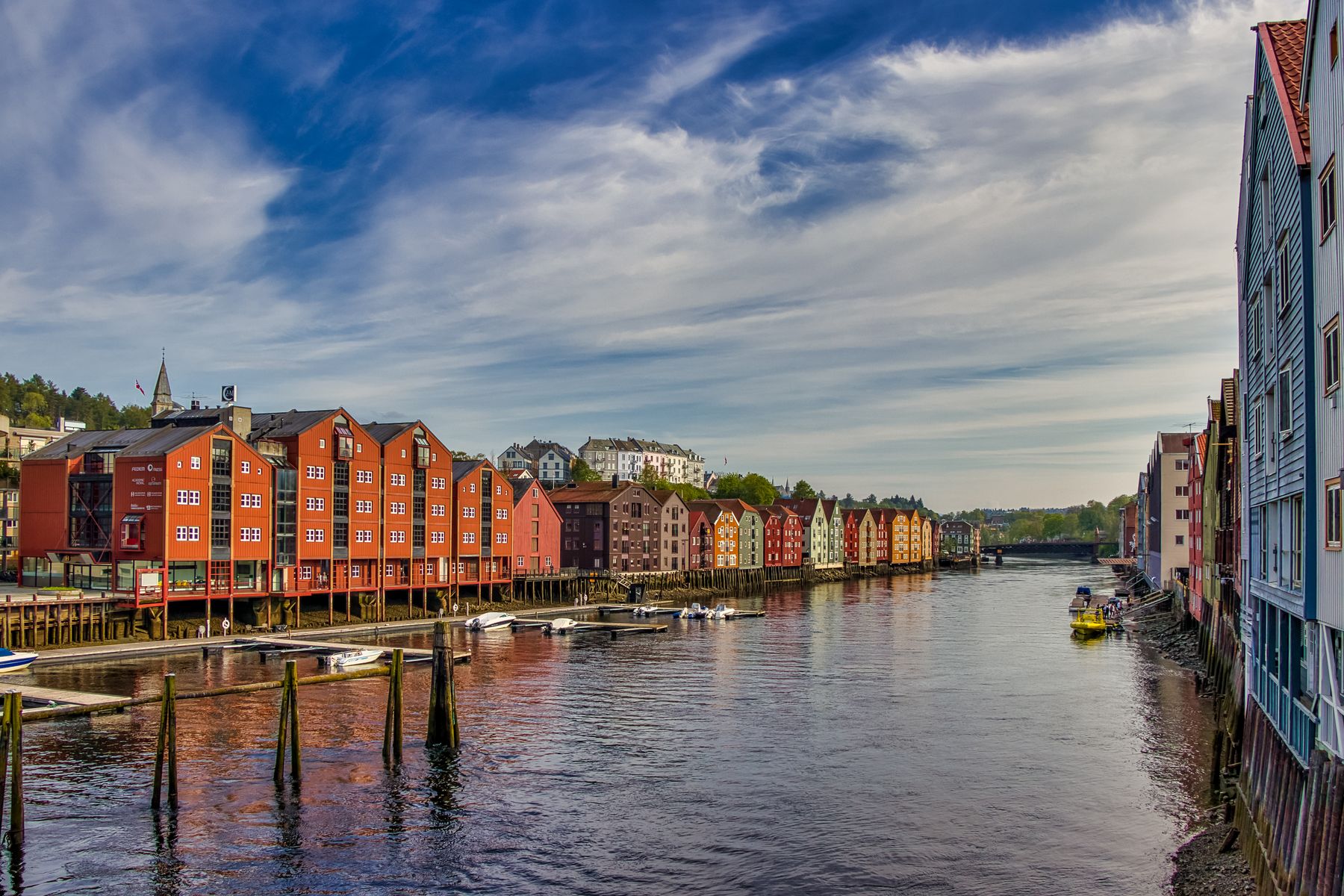
Yes, Norway welcomes foreign property buyers
Can anybody buy a house in Norway? For an ordinary private buyer, the answer is generally yes: you do not have to be Norwegian or already live in the country. Info Norden, the official information service of Nordic cooperation, confirms that foreign citizens can purchase property whether they reside in Norway or abroad. That opens the market to people seeking a city home, a coastal retreat or a base for mountain holidays.
However, an open market is not the same as an unconditional right to buy every property. Buyers need the legal capacity and funds to complete, must satisfy identity checks and must meet any conditions attached to the home. Certain rural properties have additional rules, while some residential homes must remain occupied year-round. Understanding those distinctions turns a broad question into a useful starting point for your search.
Who can buy: residents, overseas buyers and different nationalities
A Norwegian citizen, an international resident and someone living overseas may all be able to buy an ordinary home. You do not generally need to acquire Norwegian citizenship, marry a Norwegian partner or establish local residence simply to become a property owner. Foreign ownership is therefore a realistic option for a wide range of households, not a privilege reserved for a particular passport.
Individual transactions still depend on lawful funding, applicable compliance requirements and the property itself. Banks and agents must verify who is buying and where the money comes from. A purchase through a company, an arrangement involving a minor or a complex ownership structure needs its own professional assessment. This guide focuses on individuals buying residential or holiday property, rather than assuming that every commercial or agricultural acquisition follows the same route.
Owning a house does not automatically let you live in Norway
The right to own property and the right to reside in Norway are separate. Buying a home is not, by itself, a residence permit or a route to citizenship. This matters if your aim is relocation rather than occasional holidays. Establish your immigration position before selecting a property around plans for a permanent move.
EU and EEA nationals have a different residence framework from most other foreign citizens, with qualifying conditions depending on activities such as work, study or financial self-sufficiency. Other buyers generally need the appropriate immigration permission for a longer stay, while visitor allowances depend on nationality and status. Norway’s Ministry of Foreign Affairs directs applicants to the Directorate of Immigration, UDI. Ownership cannot substitute for those requirements, even when you have paid for the property in full.
Concession rules: why the type of property matters
Norway’s concession system regulates certain property acquisitions. A concession, or konsesjon, is permission to acquire the property, usually determined by the municipality. The Norwegian Agriculture Agency explains that most ordinary residential homes and apartments are exempt. For some exempt purchases, an exemption declaration is still required, so exemption does not always mean there is no paperwork.
Agricultural holdings, substantial land purchases and certain undeveloped plots deserve closer attention. Cultivated land, forestry, approved use and local regulations can change the position. Agricultural properties may also involve farming obligations or family priority rights known as odelsrett. A rural house with extensive land should not be assessed as though it were a straightforward apartment. Ask the agent and municipality to establish the applicable requirements for the exact property before making a binding commitment.
Residence obligations and buying a genuine holiday home
Boplikt means a residence obligation. It can arise through local regulations or conditions attached to a particular acquisition. Some municipalities use reduced concession limits to protect year-round housing from becoming occasional holiday accommodation. Depending on the rule, occupation may have to be by the owner personally or may be satisfied by someone else living there. The exact condition is important.
If you intend to visit for holidays, establish that the home’s planning status and occupation requirements allow that use. A listing’s attractive location is not evidence that a former permanent residence can become a holiday property. Conversely, a properly designated leisure home may fit an overseas buyer’s plans very well. Clarifying permitted use early helps you find a home that supports your lifestyle without relying on an assumption about future approval.
Direct ownership, cooperative apartments and leased land
Not every Norwegian listing represents the same ownership arrangement. Selveier commonly describes directly owned property, including houses and individually owned apartment units. Apartment ownership can still involve shared building responsibilities and communal charges. In a borettslag, or housing cooperative, you purchase a share carrying the right to occupy a particular dwelling rather than a separate freehold apartment.
Compare the full financial picture. Cooperative properties can carry an allocated share of communal debt, called fellesgjeld, alongside monthly charges. Review the accounts, maintenance plans, occupation rules and any pre-emption rights. Some properties also stand on leased land, making the ground-rent terms relevant. These arrangements are not necessarily disadvantages; they simply need to be understood. A clear comparison should cover what you own, what you owe and who decides how the building is maintained.
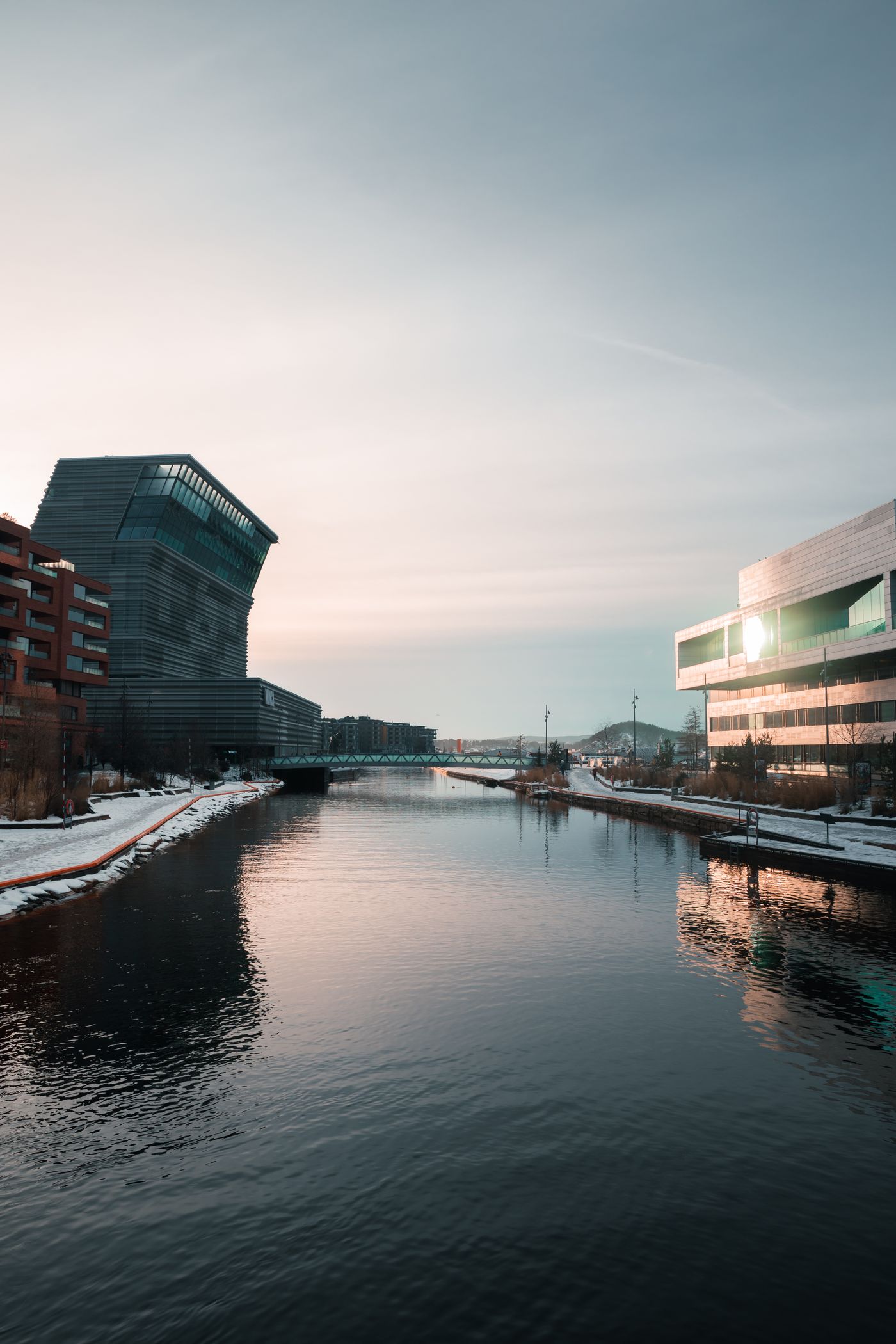
Can a non-resident get a Norwegian mortgage?
Being allowed to buy does not guarantee access to a mortgage. Some Norwegian lenders work with foreign buyers, while others impose requirements that make non-resident applications more difficult. Employment, income currency, existing debts, identification and the property all influence the assessment. Speak to lenders early and obtain a written financing decision before entering the bidding process.
The Ministry of Finance increased the general maximum mortgage loan-to-value ratio to 90%, effective from 31 December 2024, and retained the general debt-to-income limit of five times annual income. Those limits do not entitle every buyer to a 90% mortgage. A bank may require more equity or set different conditions for a holiday home. Base your budget on the financing actually offered to you, not the highest percentage mentioned in a general guide.
Buying with cash, identification and a D-number
A cash purchase can simplify financing, but it does not remove the administrative checks. The agent and settlement professionals still need proof of identity and a satisfactory explanation of the source of the money. Keep documents relating to savings, a previous property sale, an inheritance or other funding available. Confirm the transfer arrangements and allow time for compliance enquiries.
A foreign owner without a Norwegian national identity number may require a D-number for registration. Kartverket, the Norwegian Mapping Authority, can request one in connection with a specific Land Registry transaction. Its procedure includes an application accompanying the registration documents and certified identification. A D-number is an administrative identifier, not evidence of immigration rights. Ask how overseas signatures and identification will be handled if you do not have Norwegian electronic identification.
What does buying a house in Norway cost?
Budget for the purchase price and the costs of completing. Norway’s standard document duty, dokumentavgift, is 2.5% of the property’s market value at registration when a taxable ownership transfer takes place. For an illustrative existing directly owned house worth NOK 5 million, that would be NOK 125,000, assuming no exemption applies. Registration fees and any professional or financing charges are additional.
The treatment is not identical for every home. Kartverket confirms that transfers of cooperative shares do not attract document duty, while certain new-build transactions and other cases can have different treatment. Obtain an itemised estimate for the particular purchase. If your savings are in another currency, account for exchange-rate changes and transfer charges too. A converted advertising price is a guide; the agreed Norwegian-krone payment is what you must ultimately provide.
Research the home before making a binding bid
Norwegian sales commonly provide a prospectus and condition report before the bidding stage. Read them carefully and use the viewing to clarify anything that affects the home’s suitability. Heating, drainage, wet rooms, roof condition, access rights and approved alterations are practical matters worth understanding. For an apartment, review communal finances and planned works as well as the interior.
The bidding process can move quickly. EiendomsMegler 1’s buyer guidance explains that written bids are binding during their validity period and that acceptance creates a binding purchase agreement. Do not rely on a later contract-signing stage as an opportunity to withdraw. Agree your maximum budget and any required conditions before offering. Translation or independent advice is especially useful if you cannot confidently interpret the documents or the implications of a proposed bid.
Completion, registration and getting your home ready
Once an offer is accepted, the contract records the terms, handover date and payment arrangements. The settlement professional coordinates the purchase money and transfer documentation. Use verified client-account instructions and independently confirm any unexpected request to change payment details. Arrange insurance, utilities and access so that the property is ready when responsibility passes to you.
At handover, record the condition, keys, meter readings and any contents included in the sale. Kartverket’s registration process records ownership and relevant rights in the Land Registry. Coordinate any D-number application and overseas documentation with the agent well beforehand. For buyers living abroad, a local contact for maintenance or urgent issues can be particularly useful. A well-organised completion should lead into a workable ownership routine, not simply the collection of keys.
Ongoing costs, tax and renting the property
Allow for electricity, insurance, municipal charges, maintenance and any communal costs. Property tax applies in some municipalities, while winter access or snow clearing may add to a mountain home’s running costs. Understand which services are included in a monthly charge and which need separate arrangements. These details matter whether you visit occasionally or plan to stay throughout the year.
Living abroad does not necessarily remove Norwegian tax obligations. The Tax Administration states that Norwegian real property falls within Norway’s wealth-tax rules regardless of the owner’s residence, with liability depending on taxable values, debts and allowances. Rental income or a later sale can have consequences in Norway and in your tax-residence country. Before renting, confirm permitted use, building rules, insurance and management arrangements. Consider realistic net income rather than assuming bookings will cover every ownership expense.
Choosing a Norwegian mountain home you will enjoy returning to
For many international buyers, the attraction is not simply ownership abroad but a different way to spend time. A Norwegian mountain base can combine skiing, cross-country trails, woodland walks and comfortable evenings together. Think about travel from home, proximity to lifts, equipment storage and how the property works for family members with different interests. Our guide to skiing in Norway explores the destination choices and winter experience.
The right property should also make everyday holiday routines easy. Compare the layout, sleeping arrangements, views, heating and access, then consider the warmer seasons too. To see a specific slopeside opportunity, explore our ski-in, ski-out apartment in Kvitfjell. Your preferred use remains the starting point: a home that suits your own visits is easier to assess than one chosen only around an optimistic rental or resale forecast.
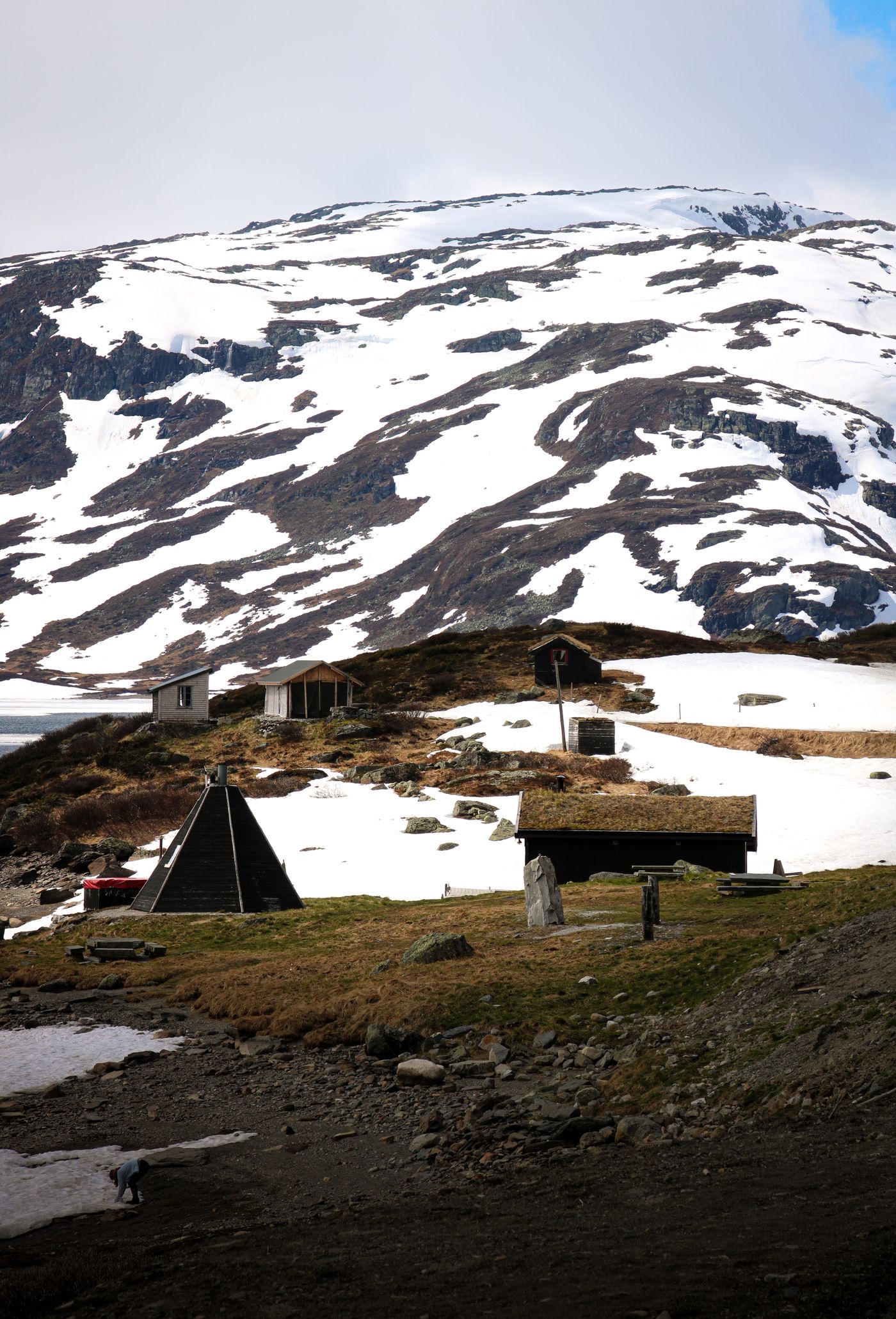
The conclusion: an open market, with property-specific rules
Norway offers a positive starting point for overseas buyers. Foreign citizenship or an overseas address does not generally prevent an individual from purchasing an ordinary home. The important work is matching the property to your intended use, confirming any local conditions, arranging finance and understanding the bidding process. Residence permission must be addressed separately if you plan to move.
This guide draws on Info Norden, the Norwegian Agriculture Agency, Kartverket, the Ministry of Finance, the Norwegian Tax Administration, the Ministry of Foreign Affairs and EiendomsMegler 1. The authoritative Nordic housing guide below confirms that foreign citizens can buy while living abroad. With appropriate local advice, the question becomes which home is right for you. For more destinations and mountain-home opportunities, return to the [Skiing Property for Sale homepage](/).
Official Nordic housing guide: foreign citizens can buy property in Norway