Alpine property and mountain living
How Investors Can Dominate the Ski Property Market
Successful ski-property investing starts with understanding the destination, buying the right home and operating it well. Here is how to build a competitive advantage without depending on exaggerated rental forecasts or a rising market.
Start with an investment strategy, not a ski holiday
To dominate the ski property market, investors need to be better informed, more selective and more consistent than competing buyers. That does not mean buying the most expensive chalet or predicting the next fashionable resort. It means finding a home that meets a clear objective, paying a defensible price and managing the asset with discipline. The mountains provide the setting; the investment case must still stand on its own.
Begin by deciding whether your priority is rental income, long-term value, personal use or a mixture of all three. Those goals can overlap, but they also create trade-offs. Reserving Christmas and February for family holidays removes potentially valuable rental dates. A secluded chalet may offer wonderful privacy yet suit fewer guests than an apartment close to lifts and services. Agree the priorities before viewing, and set measurable criteria for every property you consider.
This is general investment information, not a personalised financial recommendation. Property values and rental income can fall as well as rise, and borrowing increases the consequences of an underperforming purchase.
Choose the resort before choosing the property
A strong resort supports more than a beautiful first impression. Examine its transport connections, range of accommodation, lift network, restaurants, shops and ability to attract different visitors. Families, experienced skiers, walkers and weekend guests do not all want the same thing. A destination with several reasons to visit can offer a broader potential market than one built around a single activity.
Look for evidence rather than relying on a resort's reputation. Ask local operators for monthly booking patterns, completed rental records and the types of homes guests request. Distinguish actual achieved rates from advertised prices and occupied nights from dates blocked by owners. Compare nearby competitors with similar bedrooms, facilities and access, not a luxury chalet in a different village.
Explore our ski properties for sale to understand the homes available, then compare each location against the same shortlist criteria. A repeatable process prevents an appealing fireplace or mountain view from becoming the entire investment thesis.
Build a case for more than one season
Year-round appeal deserves serious attention. Walking, cycling, lakes, cultural events and a functioning town can extend a destination's attraction beyond the main winter holidays. UN Tourism identifies mountain tourism's potential to support local economic growth, employment and demand spread across seasons. That is a positive argument for understanding a destination's wider offer, not proof that any particular apartment will rent throughout the year.
Check what actually opens in summer and the shoulder seasons. Are lifts running for walkers and cyclists? Are restaurants, public transport and activity providers available? A festival may fill one weekend without creating dependable demand for the surrounding month. Ask for season-by-season evidence and distinguish an established summer market from plans that remain on a presentation slide.
A home can also serve different needs across the year. Storage for skis and bicycles, a usable balcony, reliable internet and practical parking may attract more than one guest group. Build the business plan around demonstrated demand, with additional seasons treated conservatively until bookings support a stronger assumption.
Understand snow resilience without making guarantees
Snow remains central to winter demand, but a simple altitude ranking is not enough. Assess the height and aspect of the terrain, the proportion of skiing accessible from the village, lift connections, snowmaking coverage and the resort's operating history. A high mountain nearby is less useful if guests cannot reach it conveniently when lower runs close.
The OECD's Tourism Trends and Policies 2024 report notes that warmer winters are shortening ski seasons in mountain destinations and changing travel patterns. Investors should therefore examine adaptation and diversification together. Snowmaking may help operations in suitable conditions, but it still depends on temperature, water, energy and permissions; it is not a blanket guarantee of skiing.
Ask how the destination handles interrupted seasons and how that might affect your own rental commitments. Review insurance exclusions, cancellation arrangements and the availability of alternative activities. The aim is to choose a property whose appeal is resilient, not to claim that one resort is immune to weather or long-term climate change.

Buy the home guests can use comfortably
A property earns its place in a rental shortlist through practical advantages as well as appearance. Walk the route to lifts, lessons, transport and restaurants while carrying the sort of equipment guests will bring. Check stairs, icy approaches and the distance from parking. Verify any ski-in/ski-out claim for the specific building, route and conditions rather than assuming the entire development shares the same access.
Inside, prioritise a sensible bedroom arrangement, enough bathrooms, good storage and a kitchen suited to the advertised occupancy. Flexible sleeping arrangements are useful only when they remain comfortable. Squeezing extra guests into a living room can increase theoretical capacity while reducing repeat bookings and reviews.
Consider the quieter parts of a stay: drying wet clothes, putting children to bed, working remotely or having breakfast before a lesson. Reliable heating, internet and straightforward arrival instructions matter. A distinctive home attracts attention, but a convenient and well-maintained one gives guests reasons to return.
Calculate net yield, not headline rental income
Gross rent is revenue, not profit. Subtract management and booking charges, unrecovered cleaning and linen costs, utilities, insurance, local property charges, service charges, maintenance and a realistic replacement reserve. Avoid double-counting fees already included in a manager's estimate. Distinguish operating income from cash remaining after borrowing costs and personal or corporate taxation.
Consider a purely illustrative example, not a market forecast. A property costs €1,000,000, with €100,000 of acquisition costs and initial furnishing, making the total investment €1,100,000. Assume €80,000 annual gross rental income and €32,000 annual operating costs and reserves. That leaves €48,000 before financing and income tax: approximately 4.36% of the total acquisition investment, rather than the 8% gross yield suggested by rent divided by the purchase price alone.
Your actual figures may be much lower or higher. Model monthly income and expense timing, include vacant periods, and show personal-use dates separately. Ask the manager which costs are estimates, which are supported by invoices, and whether quoted income is before or after commission.
Stress-test borrowing, currency and cash reserves
A purchase should remain manageable when the first year is less successful than expected. Test lower occupancy, reduced nightly rates, higher running costs and an unexpected repair. Examine these pressures together, not only one at a time. The property still needs insurance, heating and maintenance when it is empty.
Where borrowing is involved, compare interest-rate terms, fees, repayment obligations and the consequences of refinancing. Rental income that covers operating costs may still be insufficient to service debt. Keep an accessible reserve rather than committing every available pound to the deposit and furnishings.
Currency deserves its own calculation. A British investor buying in euros or Norwegian kroner may face changes between agreeing a price, completing and paying future expenses. Rental income and debt in the local currency can offset some exposures without removing all of them. Obtain regulated advice where needed, and do not build the investment case around predicting exchange-rate movements.
Confirm rental rights before relying on rental income
The right to purchase a property and the right to operate holiday accommodation are separate questions. Check the municipality's requirements, permitted use, registration obligations, building rules and any management or lease arrangements. National guidance alone may not settle the position for a particular address.
France offers a useful example of why local detail matters. Service Public's guidance on tourist lettings describes strengthened municipal powers and changes affecting condominium rules under the November 2024 legislation. An investor should therefore verify the current local position and the property's governing documents rather than assuming an existing online listing proves unrestricted future letting.
Our ski property buying guide provides a starting point for the purchase process. Before committing, ask an independent local legal adviser to confirm ownership, rental permissions and contractual restrictions. Where a home is sold with a managed-rental or leaseback arrangement, examine owner-use dates, charges, renewal terms and exit obligations alongside the advertised income.
Negotiate from evidence and total cost
Good negotiation starts before making an offer. Review completed comparable sales where available, the property's condition, time on the market and any work needed to bring it to your intended standard. Asking prices show seller expectations; they do not establish what buyers have actually paid.
Include purchase taxes, professional fees, survey costs, furnishings and essential repairs in your maximum budget. For an apartment, examine common-area accounts, reserve funds, meeting minutes and proposed works. A cheaper purchase can become expensive if roof repairs or other substantial shared costs are approaching.
A well-supported offer can combine price with clear conditions, a workable timetable and credible funding. Do not abandon independent checks simply to appear competitive. The objective is a home that works at the agreed total cost, not the satisfaction of winning a bidding contest.
Operate professionally and measure the results
Choose a property manager as carefully as the property itself. Ask about local staffing, emergency cover, housekeeping, guest communication, pricing and reporting. Establish who can authorise repairs, the limits on spending and how owner payments are calculated. Compare complete service proposals rather than commission percentages alone.
Marketing should explain the stay accurately. Use professional photographs, a clear floor plan and honest descriptions of access, parking, stairs and sleeping arrangements. Avoid presenting resort facilities as part of the property unless guests genuinely have access. Strong reviews are more likely when the experience matches the promise.
Track achieved nightly rates, available-night occupancy, net operating income, repeat bookings and maintenance spending. Review them by season and guest segment. Adjust pricing and presentation using actual results rather than copying competitors' advertised rates. An attractive property is the starting point; consistent service is part of protecting its reputation.
Keep resale and local relationships in view
Think about your eventual buyer before completing. A flexible layout, good condition, clear ownership documentation and useful access can appeal beyond the holiday-letting market. A highly specialised property or restrictive operating agreement may reduce the pool of future purchasers even if it suits your current plans.
Keep records of improvements, accounts, warranties and permissions. Schedule maintenance before small problems become expensive, and review the investment periodically against your original objectives. Price growth should be a possible benefit, not the assumption that rescues weak operating income.
Responsible ownership matters commercially as well as socially. Respect building rules, manage noise and use reliable local services. Mountain destinations depend on the people who live and work there. Being a dependable owner helps sustain the relationships that make a home easier to maintain, operate and enjoy.
Turn research into a disciplined shortlist
The strongest advantage is a process you can repeat: define the objective, investigate the resort, test the property, verify the legal position and calculate conservative net returns. Compare opportunities using the same assumptions, then decide whether each remains attractive under a less favourable scenario.
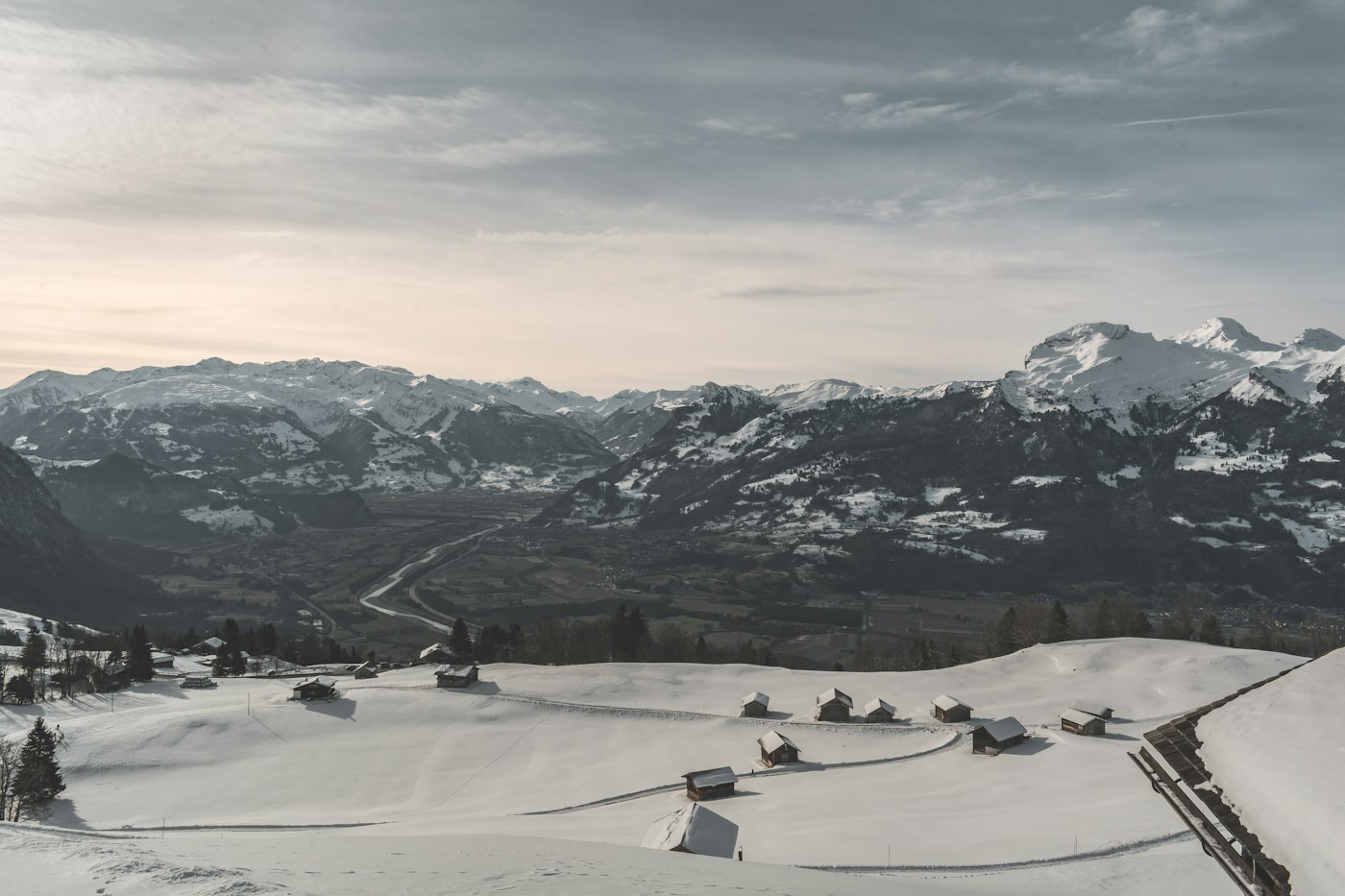
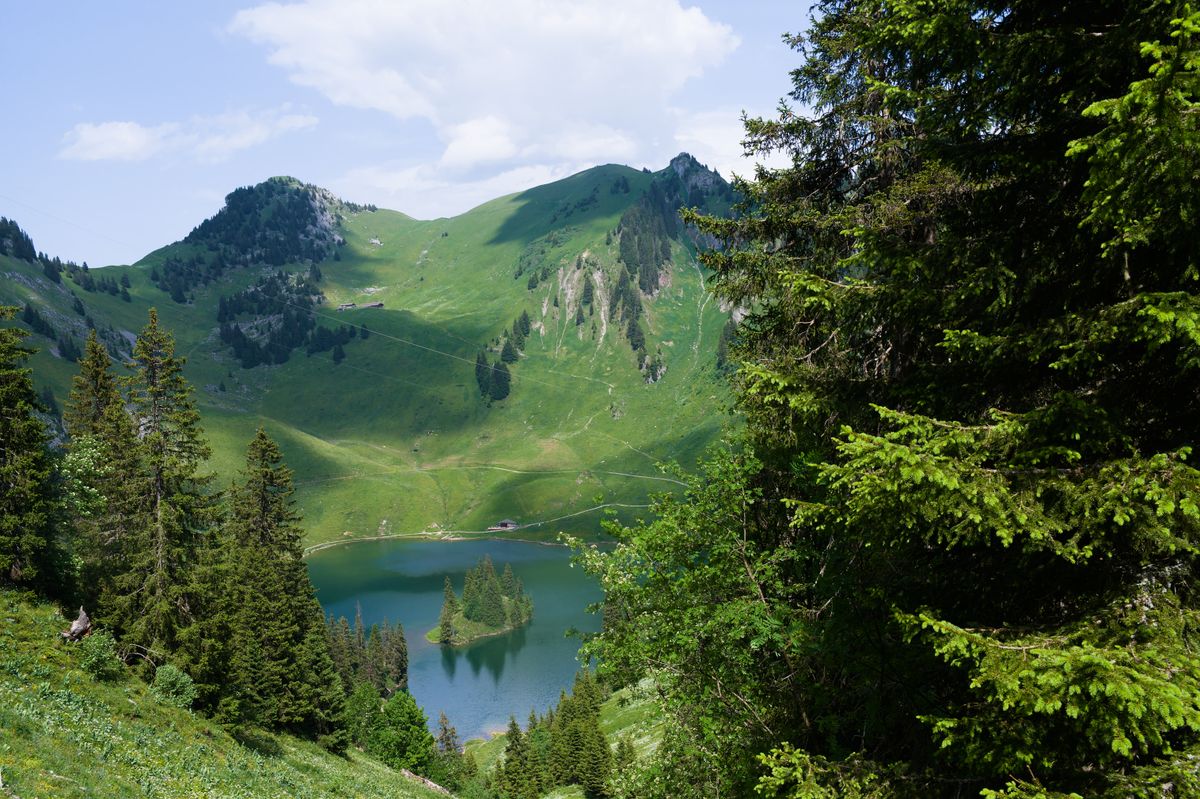
This article draws on UN Tourism's mountain-tourism research, the OECD's 2024 tourism report and French government guidance on tourist accommodation, reviewed in October 2026. These sources explain tourism and regulatory context; they do not establish a particular property's future yield or capital growth. The three photographs are illustrative mountain landscapes sourced from Unsplash and Pexels, not images of homes offered in this article.
To explore homes with that approach, return to [skiing property for sale](/) on our homepage. Dominating the ski property market is best understood as making stronger decisions—not buying faster, borrowing more or treating every beautiful mountain home as a guaranteed investment.
Read UN Tourism's research on mountain tourism and its economic potential