Alpine property and mountain living
Kvitfjell Ski Resort and Svartskardvegen: an area and skiing guide
Olympic-standard skiing, family-friendly slopes and a quieter Norwegian mountain lifestyle: discover Kvitfjell and the practical appeal of a Svartskardvegen base on the western side.
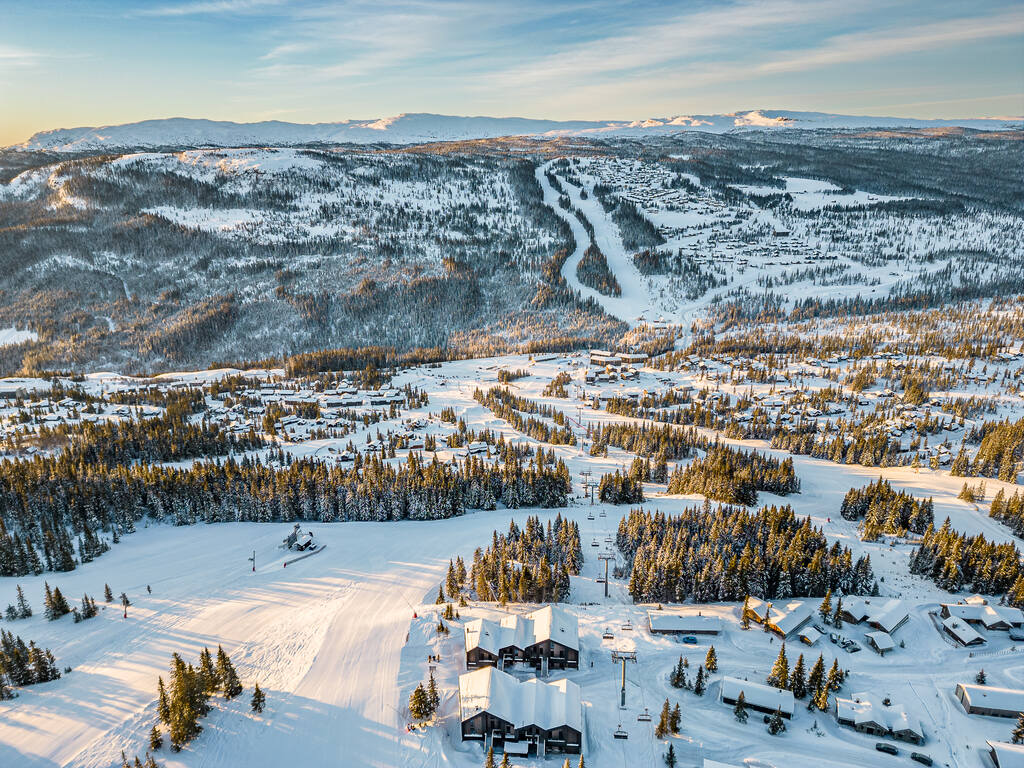
Where is Kvitfjell, and what makes it different?
Kvitfjell sits above Fåvang in Ringebu municipality, in Norway’s Innlandet county. It belongs to the Gudbrandsdalen landscape north of Lillehammer: a region of forested slopes, open mountain terrain and valley communities rather than a continuous strip of large resort towns. Official tourism information places the resort roughly 40–45 minutes north of Lillehammer by road. Actual journeys depend on the starting point, the mountain access road and winter conditions.
Its identity combines serious skiing with an unusually relaxed setting. Kvitfjell was developed for the downhill and super-G events at the 1994 Lillehammer Winter Olympics, and its speed-racing heritage remains central to its reputation. Yet a holiday here need not revolve around expert terrain. Three linked mountainsides provide distinct places to stay and ski, with beginner areas, broad cruising runs and slopeside restaurants. For visitors who prefer mountain views and comfortable evenings to a large late-night scene, that balance is an important part of the appeal.
Svartskardvegen: understanding a western-side address
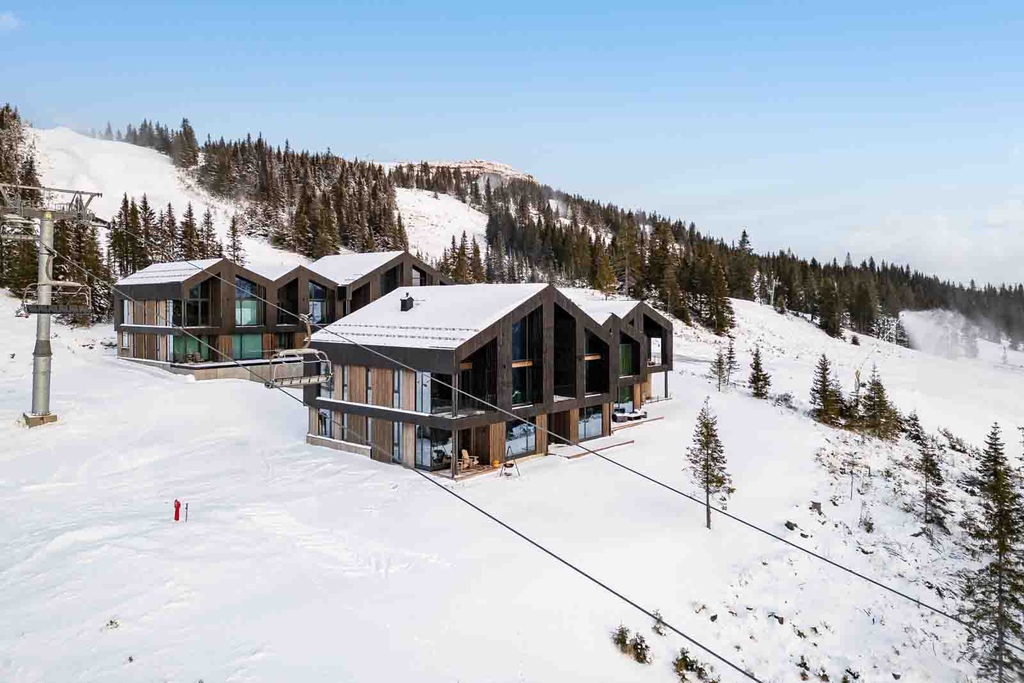
Svartskardvegen is an address to investigate within the Kvitfjell West accommodation area, rather than a separate ski resort. Local property advertising associates the road with Kvitfjell Vest, including apartment and cabin addresses at different points along it. That distinction matters: the road name alone cannot establish elevation, walking distance to a shop or the exact route from a front door onto a piste. Assess the individual building, not an assumed convenience shared by every address.
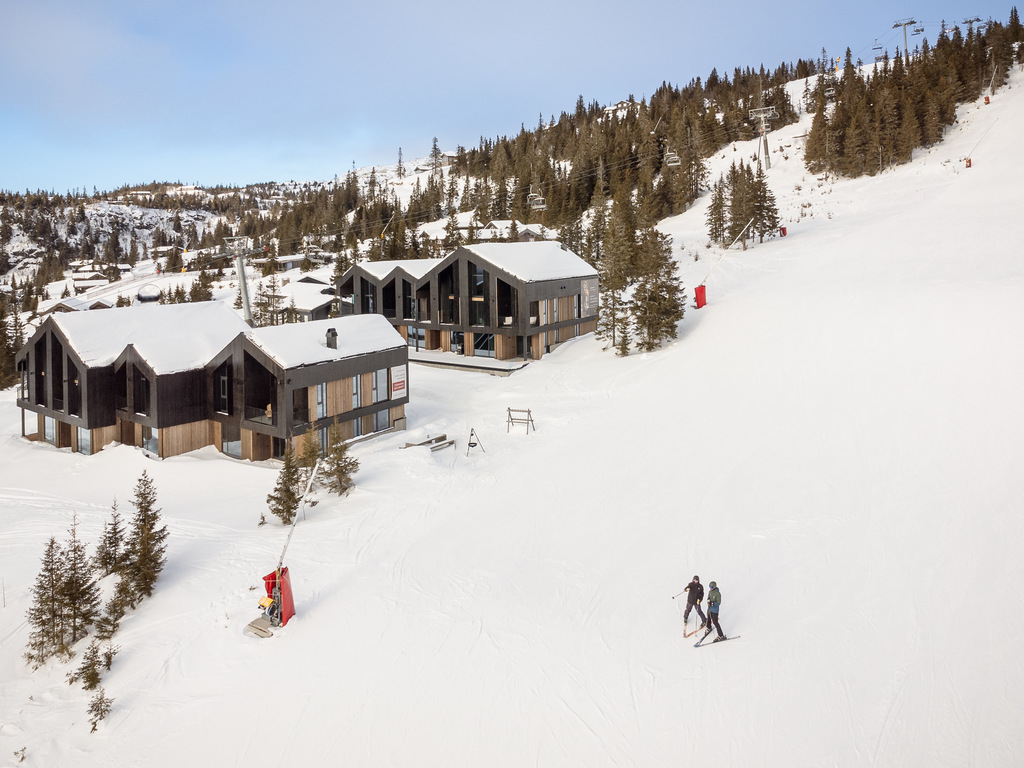
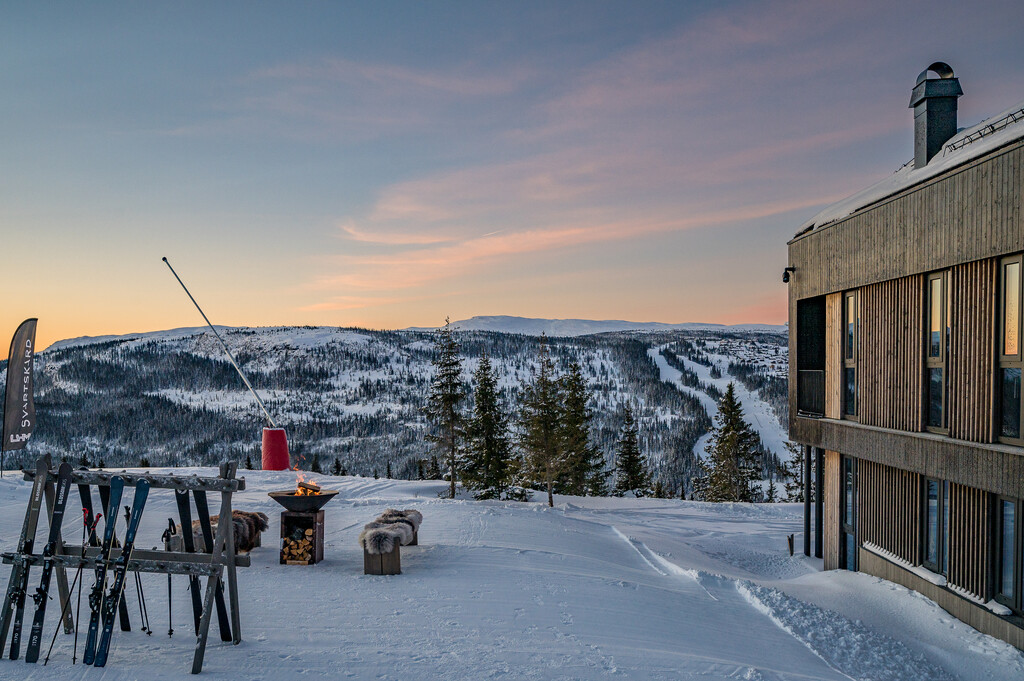
The western side is attractive because it brings accommodation into the mountain environment and close to a family-oriented part of the ski area. A well-positioned apartment can make equipment changes, lunch breaks and short ski sessions easier. Before booking or buying, ask for the current piste map and the precise building location. Check the outward connection and the return route, including their gradient and dependence on snow cover. A ski-in, ski-out description should be tested against the ability of the least confident skier in your group, not just the strongest.
The ski area: three mountainsides and Olympic heritage
The resort operator, Alpinco, currently describes Kvitfjell as offering 34 kilometres of alpine trails and 14 lifts, with a summit station at 1,039 metres and an overall vertical difference of 854 metres. Its published trail mix includes green, blue, red and black runs. These are resort-wide figures, not the vertical available from every apartment or lift. Some older tourism listings quote smaller totals; the operator’s current information is the better starting point when planning a visit.
Mellomstasjonen, Vestsiden and Varden are the three mountainsides to understand. The original eastern side contains the celebrated Olympic terrain; the western side and Varden broaden the family and recreational offer. Connections let capable skiers explore beyond their immediate accommodation area, but opening status, weather and return-lift times still determine what works on a particular day. Study the map before setting out and avoid assuming that an Olympic venue consists entirely of difficult runs. Much of Kvitfjell’s everyday appeal lies in the choice between enjoyable cruising and more demanding skiing.
Beginners, children and mixed-ability holidays
Kvitfjell’s official information highlights two children’s areas and a progression from moving carpets to smaller lifts and longer slopes. That makes it worth considering for families whose members are at different stages. Beginners can concentrate on controlled practice, while more confident relatives explore elsewhere and meet for lunch. The western side is particularly relevant when comparing a Svartskardvegen base, although the right teaching meeting point must be confirmed with the ski school.
Book lessons and equipment ahead for busy holiday periods, and explain the ages, experience and language needs of the group. Choose accommodation around the lesson logistics rather than a photograph of the view alone. A short journey carrying small skis can still become awkward on an icy incline. Warm layers, spare gloves and regular indoor breaks are sensible in a Norwegian winter. Let children progress according to confidence and conditions; a green or blue designation is useful guidance, but visibility, grooming and snow texture also influence how a slope feels.
Intermediate cruising and more demanding skiing
For intermediate skiers, the attraction is a compact but varied mountain rather than the biggest possible piste-mileage headline. Alpinco’s current breakdown lists twelve blue and six red trails, alongside its green and black terrain. Exploring different sides can change the outlook, snow feel and character of a day without requiring an expedition across an enormous domain. The opportunity to repeat a good run, work on technique and enjoy an unhurried lunch is a strength for many returning visitors.
Advanced skiers will recognise the Olympic and World Cup association, but a race course in public operation should never be confused with a guaranteed race-prepared surface. Closures, training use and snow conditions may affect access. Select slopes within your ability and follow signs and patrol instructions. The resort also advertises two terrain parks; check which features are open and suitable before entering. Any off-piste ambitions require a separate assessment of avalanche conditions, equipment and expertise. A piste map or a property’s proximity to the snow is not evidence that surrounding ungroomed terrain is safe.
Snow, daylight and choosing the right week
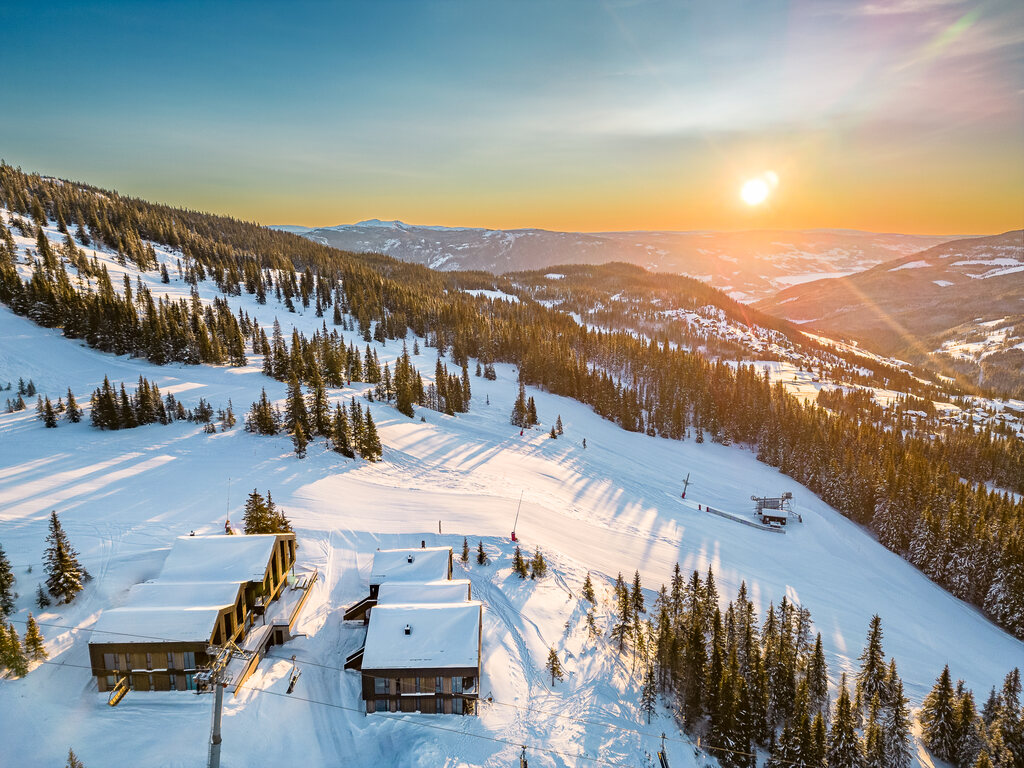
Kvitfjell markets itself as an early-opening, late-closing Norwegian resort, helped by its inland setting and snow-management infrastructure. Nevertheless, natural snowfall, temperature and lift operations vary every year. An attractive winter photograph does not guarantee a particular opening date, depth or doorstep connection. Check the operator’s live snow report, webcams and operating calendar before travel, especially for early-season visits or late-spring stays.
Midwinter brings a different daylight rhythm from the Alps: plan around the available light and build in relaxed meals and indoor recovery time. Later winter often appeals to visitors seeking longer days, while spring conditions can change markedly between morning and afternoon. Alpinco lists 2.6 kilometres of floodlit alpine slopes, but evening sessions depend on the published programme, not an assumption that the whole mountain operates after dark. For a property viewing, experience the setting in the season you expect to use it most. Sunshine, wind exposure and the final return route can matter as much as the headline elevation.
Cross-country skiing and quieter winter days
Downhill skiing is only one way to enjoy this region. Alpinco describes access to a wider network of around 600 kilometres of groomed cross-country trails. The figure refers to the connected regional network, not hundreds of kilometres confined to the alpine resort or groomed simultaneously beside Svartskardvegen. Choose a route using current grooming information, weather and your fitness, and establish where the most convenient trailhead actually lies.
Cross-country skiing can provide a quieter alternative to a lift-based day, with forest stretches and more open mountain scenery. It is also a different physical activity: distance, exposure and return time need realistic planning. First-timers should consider instruction and correctly fitted equipment rather than treating it as downhill skiing without lifts. Non-skiers can enjoy mountain views, food and time together, but winter walking must follow suitable maintained routes. Do not walk along groomed ski tracks or enter active pistes casually. A satisfying week leaves room for rest as well as ambitious outings.
Restaurants, local services and après-ski
Kvitfjell’s food offer is part of its character. The operator highlights Tyrihanstunet, Koia, Gondolen Mountain Bistro and Varden Restaurant among the places to explore. These provide different reasons to stop during a ski day, from coffee and lunch to an après-ski visit. Check current menus, booking arrangements and opening hours, especially outside peak winter weeks. A restaurant being present on the resort map does not mean it operates every evening throughout the year.
Visit Norway describes a laid-back nightlife scene with smaller welcoming venues rather than large party establishments. That suits families and visitors who enjoy dinner followed by a quiet apartment evening. Alpinco also lists grocery provision, sports shops, equipment rental and ski-school services within the resort. Their usefulness depends on the exact location of your accommodation and the season. Arrive with essentials if your transfer is late, and establish what is available on the western side before committing to a car-free stay. Convenient self-catering can be as valuable as an impressive restaurant list.
Getting to Kvitfjell by road and rail
For international visitors, Oslo is a practical arrival gateway. Visit Norway describes a road journey of around three hours from Oslo, approaching via the E6 and Fåvang. Treat that as an indicative city-to-resort journey rather than a fixed airport transfer time. Weather, traffic, stops and the final climb to a western-side address can extend it. Confirm the route to your actual building, parking access and appropriate winter equipment with your transfer provider or car-hire company.
Rail is another option. SJ NORD promotes seasonal trains stopping at Kvitfjell beside the ski area, with services described during the ski centre’s November-to-April operating period. Verify the timetable for your travel date rather than assuming every train stops there. Most importantly, a station by the slopes is not the same as a station beside a Svartskardvegen apartment. Arrange the final transfer, luggage handling and late-arrival contingency in advance. For families carrying equipment, a carefully planned door-to-door journey often matters more than a small difference in the headline travel time.
Summer, autumn and the wider Gudbrandsdalen area
Kvitfjell is not solely a winter address. The operator’s summer programme includes hiking, bike rental, disc golf and family activities such as a climbing tower and a nature-based learning trail. Availability is seasonal, so check what runs during your proposed visit. The mountain’s quieter atmosphere can be appealing for walking holidays and longer stays, particularly for people who value open views and easy access to nature more than a busy resort centre.
The surrounding valley adds variety. Ringebu and Lillehammer provide places to explore beyond the slopes, while the broader region offers cultural visits, family attractions and outdoor excursions. Alpinco identifies Hunderfossen and Sjoa rafting among regional options. Plan these as separate outings with realistic driving and activity time, not facilities immediately outside an apartment. Autumn can be especially attractive for woodland colour and peaceful walks, but mountain weather still changes quickly. Carry appropriate clothing, use suitable routes and check daylight. Year-round ownership works best when the household genuinely enjoys these quieter seasons, rather than relying exclusively on a winter brochure.
Choosing a Svartskardvegen apartment or mountain base
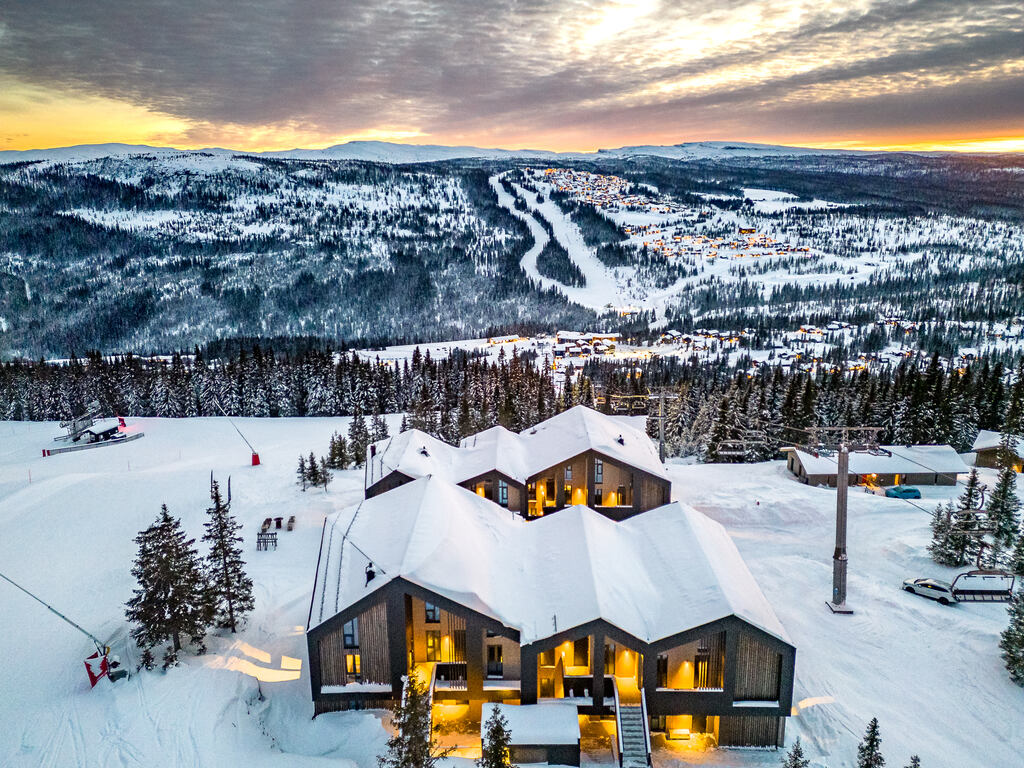
A useful property comparison begins with your household’s routine: lesson drop-offs, equipment storage, cooking, drying clothes, parking and evenings together. Our Kvitfjell ski-in ski-out apartment for sale provides a specific western-side opportunity to assess alongside the area, rather than treating all mountain addresses as interchangeable. Check the floor plan, verified sleeping arrangements, building management and the precise ski connection before relying on a listing’s headline.
For a broader decision checklist, read our ski property buying guide. Independent Norwegian legal and financial advice is still essential: establish permitted use, ownership structure, ongoing charges, insurance, rental restrictions and any communal obligations for the actual property. Do not assume that tourism demand guarantees rental income or future price growth. Kvitfjell’s strongest appeal is practical and personal: a recognisable ski mountain, a relaxed setting and the possibility of returning through several seasons. The right home should fit that life even without an optimistic investment forecast.
Research notes and planning your visit
This guide was researched on 1 October 2026 using Alpinco’s official Kvitfjell resort information and summer pages, Visit Norway’s destination overview and SJ NORD’s Kvitfjell rail guidance. Current piste and lift totals follow the resort operator where older tourism figures differ. Road-level convenience, ski access and property details require address-specific checks; none of the regional descriptions should be read as a guarantee for every Svartskardvegen building.
For a positive independent tourism overview, the Visit Norway page linked below describes Kvitfjell’s skiing, Olympic-standard terrain and relaxed atmosphere. Use it alongside the resort’s live operating information when planning. A successful visit combines a sensible travel plan, skiing matched to your group and time to enjoy the landscape. That is also the best way to decide whether this Norwegian mountain area feels right for a longer-term base.