Alpine property and mountain living
Your 7-Point Guide to Letting Your Ski Home
Letting your ski home can help support ownership costs while introducing guests to a destination you love. These seven practical steps explain how to prepare the property, organise reliable local support and build a letting plan around your own priorities.
1. Confirm permissions, insurance and tax responsibilities
Before accepting a booking, establish whether your particular home can be used for short holiday stays. Ownership alone does not settle that question. Check the property's permitted use, local registration or licensing requirements, building rules and any existing management agreement. A neighbouring apartment being advertised online is not evidence that the same arrangements apply to yours.
France provides a useful example. Service Public's 2026 guidance explains requirements affecting furnished tourist accommodation, including declarations, registration and condominium rules. Its second-home guidance also describes circumstances in which change-of-use authorisation is required. Ask the relevant municipality and an independent local adviser to confirm the current position for the exact address, rather than relying on a general national summary.
Review your mortgage conditions and tell your insurer exactly how the home will be let. Ask about paying guests, liability, accidental damage, periods without occupants and specialist facilities such as a sauna or hot tub. A platform's host-protection programme should not be assumed to replace suitable property insurance. Keep written confirmation of the agreed use and cover.
Arrange advice on rental-income reporting, local tourist taxes and any business-registration obligations. These vary by country, ownership structure and personal circumstances; French rules should not be applied to Austria, Switzerland or Norway. If you are still choosing a home, our ski property buying guide helps put these questions into the wider purchase process. Clear arrangements at the outset make subsequent decisions much easier.
2. Build a letting calendar around realistic demand
Decide what letting needs to achieve before estimating income. Some owners want to offset a proportion of running costs; others prioritise a professionally operated rental business. Both approaches can work, but they need different calendars and service arrangements. Reserve your own holidays first, then identify the dates that are genuinely available to guests.
Owner use has an opportunity cost, especially during school holidays and other popular weeks. That does not make a family Christmas the wrong decision: enjoying the home may be the reason you bought it. Simply show those blocked dates honestly in the forecast instead of treating the entire winter as available rental stock. Include maintenance periods and the time needed between certain bookings.
Ask local managers for achieved results from comparable properties, broken down by season. Compare similar bedrooms, access, facilities and presentation. Advertised nightly rates are not evidence of paid bookings, and a full-looking calendar may include owner stays. For a broader financial perspective, explore our ski property investment strategies before accepting an ambitious rental projection.
Consider summer and autumn where there is evidence of demand for walking, cycling, events or a longer mountain stay. Confirm which lifts, restaurants and services operate outside winter. A beautiful summer photograph alone does not establish a dependable letting season. Start conservatively, review actual enquiries and bookings, and expand the calendar when the destination and your support arrangements justify it.
3. Prepare a comfortable, practical and well-maintained home
Think through a guest's stay from arrival to departure. They may reach the property after dark, with children, luggage and wet equipment. Clear parking instructions, a reliable entry system, exterior lighting and a warm interior can make that first evening straightforward. Explain access accurately and arrange any necessary snow clearance before guests arrive, not after they report a problem.
Prioritise good beds, adequate seating, reliable heating, hot water and a kitchen equipped for the advertised group size. Provide somewhere suitable for boots, skis and drying clothing, without obstructing access routes or ventilation. Check internet performance rather than describing it vaguely as fast. If a room arrangement only works comfortably for a smaller group, market that honest capacity.
Have competent local professionals identify the safety requirements applying to the property and letting activity. Arrange appropriate inspections and servicing for electrical, heating, chimney and other relevant systems. Provide required alarms, clear emergency information and instructions for unfamiliar equipment. Do not treat a generic online checklist as a substitute for the applicable local standards, particularly where specialist leisure facilities are involved.
Use durable furnishings, washable textiles and an inventory that is easy to check between stays. Keep personal possessions in secure storage and remove items you would be distressed to lose. A well-labelled welcome folder should explain heating, waste disposal, appliances, house rules and local contacts. Practical comfort usually contributes more to a successful stay than adding decorative features that are difficult to maintain.
Create a winter changeover plan that allows for snowfall, delayed departures and the extra drying or cleaning needed after a busy ski week. Keep spare linen and essential supplies locally. Agree who checks external access and how arriving guests receive updates when conditions change. These small preparations help the team deliver a consistent welcome without relying on everything running exactly to schedule.
4. Choose a management model with dependable local support
Decide which responsibilities you want to retain and which require local help. A full-service manager may handle advertising, bookings, guest communication, housekeeping and repairs. A lighter arrangement may provide only cleaning and keyholding. Self-management still needs reliable people nearby when a lock fails, heating stops or an arrival is delayed.
Compare complete proposals rather than commission rates alone. Ask what is included, which services attract additional charges, who pays booking-platform fees and whether commission applies to rent, cleaning or other payments. Confirm how invoices, guest deposits, owner payments and tourist taxes are handled. A transparent monthly statement should make the flow of money understandable.
Discuss the operating details that guests will notice: response times, weekend cover, linen quality, property checks and the process for reporting damage. Agree a repair-authorisation limit, with an emergency exception that is clearly defined. Ask who can appoint contractors and whether you can see supporting invoices. Establish how your own stays are booked and serviced.
Read the contract's duration, termination terms, exclusivity provisions and arrangements for future bookings if the relationship ends. Clarify ownership and permitted use of photographs, listing content and booking records, while respecting guests' privacy. A good manager brings local knowledge and consistent execution, but the owner still needs oversight. Set expectations before the first booking rather than discovering them during a difficult changeover.
Agree how guest requests will be assessed before they become promises. Pets, early arrivals, extra visitors and additional housekeeping can affect both the home and the local team's workload. Publish clear, lawful conditions and confirm any exceptions in writing. A shared decision process helps an owner or booking agent avoid offering something the on-site team cannot reasonably deliver.
5. Set prices using net income, not headline revenue
Build a seasonal pricing plan around relevant competitors, your available dates and the property's actual advantages. A short walk to lessons, useful parking or an attractive terrace can matter to different guests. Compare the total price a visitor pays, including mandatory charges, and comply with the pricing rules applying to your advertising and booking channels.
Work from revenue to net operating income. Deduct management and platform charges, unrecovered cleaning and linen costs, utilities, insurance, recurring property charges, maintenance and a realistic replacement reserve. Avoid counting a cost twice when it is already included in a service package. Track tourist taxes and refundable guest deposits separately; neither should be treated as money freely available to the owner.
For illustration only, suppose annual gross rental income is €36,000 and operating costs plus reserves total €15,000. That leaves €21,000 before finance costs and income tax. It is not a market forecast or a promised return, and your result could be substantially different. A higher gross-rent estimate is not automatically better if achieving it requires expensive services or additional wear.
Test a quieter season, a substantial repair and higher utility bills before committing the expected income to other spending. Set minimum stays and changeover arrangements that fit your housekeeping capacity. Use clear payment, cancellation and damage terms compliant with local rules, and take payments through an appropriate secure channel. Empty nights cannot always be eliminated profitably; the objective is sustainable income rather than occupancy at any price.
6. Create an accurate listing that helps the right guests book
Professional photographs should show the complete experience: bedrooms, bathrooms, living areas, kitchen, storage, outlook and arrival arrangements. Include a clear floor plan where useful. Photograph the real property rather than relying on resort scenery or images of shared facilities that guests cannot use. Refresh the photographs when furnishings or significant features change.
Write specific descriptions of sleeping arrangements, stairs, parking, lift access and distances. Verify any ski-in/ski-out statement for the particular building and route, including relevant limitations. State whether leisure facilities are private, shared, separately charged or seasonal. Accurate information helps the right guests choose the home and reduces avoidable disappointment after arrival.
Consider recognised quality schemes where they suit your market. France's official furnished-tourism classification, for example, uses one to five stars and a classification decision valid for five years. Service Public describes it as an optional, paid process indicating comfort and equipment. It is different from an online guest-review score, and any tax consequences require separate advice. Never imply that another country's classification applies to your property.
Choose booking channels you can manage reliably and keep availability synchronised to avoid double bookings. Answer enquiries promptly with consistent information, and give guests practical guidance before asking them to make decisions. Request reviews honestly after the stay and respond constructively to useful feedback. A distinctive listing earns attention, but matching its promises is what supports a strong reputation and repeat visits.
Before departure, send one organised message covering the address, arrival window, parking, access and the contact for immediate help. Explain what is supplied and what guests should bring, including arrangements for children or specialist equipment where relevant. Keep payment and access communications secure, and give guests a verified way to check any unexpected request.
7. Review the guest experience and protect the home over time
Use a repeatable changeover checklist covering cleanliness, linen, inventory, maintenance and security. Check that heating, hot water and access work before the next arrival. Keep an agreed record of defects and actions taken, with photographs where appropriate and permitted. Preventative attention is generally easier to organise than an urgent intervention during a guest's holiday.
Review results by season rather than judging the whole operation from one excellent week. Track available nights, paid occupancy, achieved nightly rates, cancellations, operating costs and net income. Exclude owner-blocked dates consistently so the figures remain comparable. Read guest comments for recurring themes: unclear arrival instructions or uncomfortable bedding may offer a more actionable improvement than simply reducing the price.
Maintain good relationships with neighbours, building management and local service providers. Explain quiet hours, parking and waste arrangements before they become problems. Review insurance, permissions, contracts and tax obligations as the operation develops, particularly if services or occupancy change. Keep an accessible maintenance reserve so the property remains enjoyable for you as well as presentable for guests.
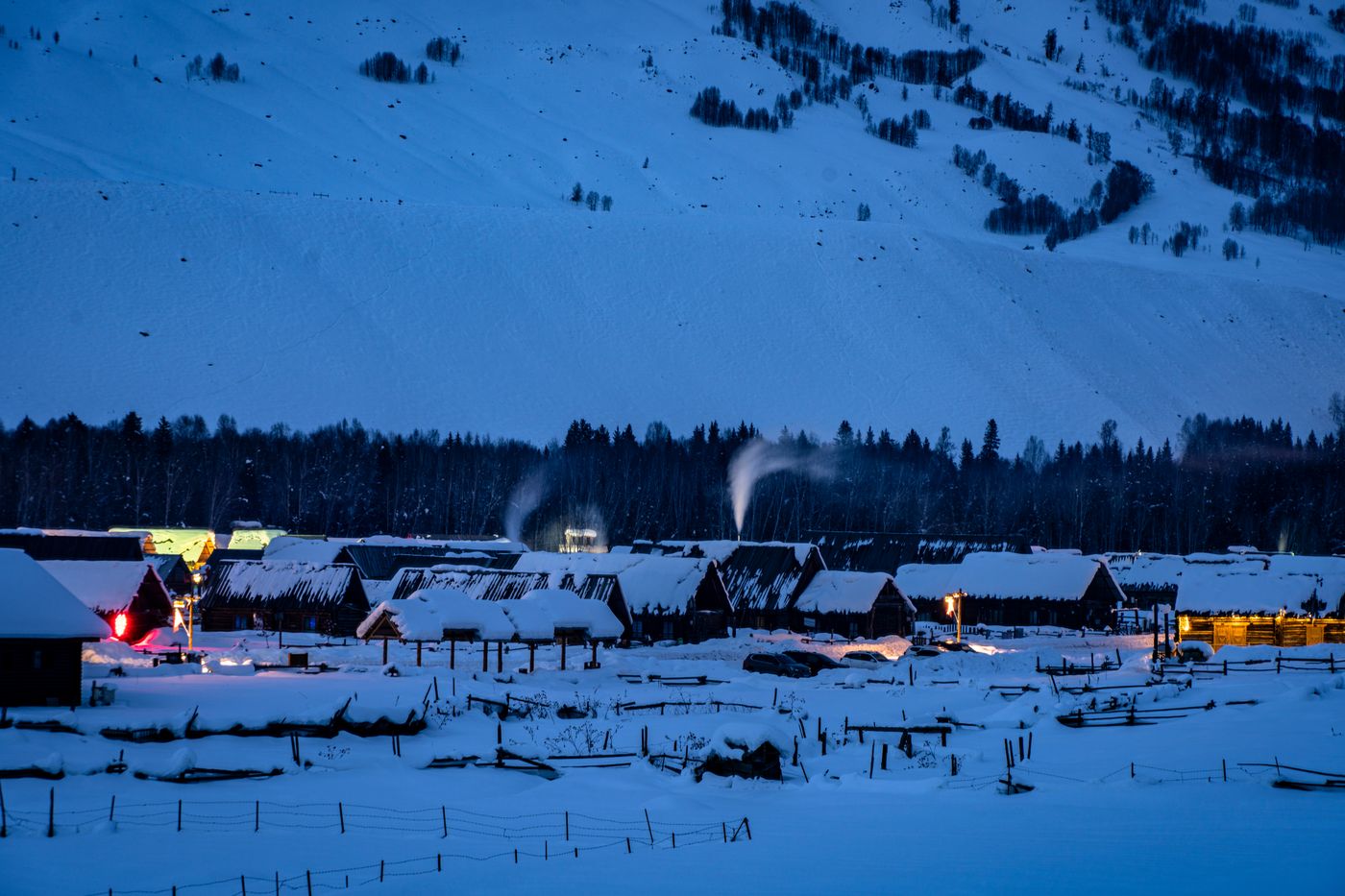
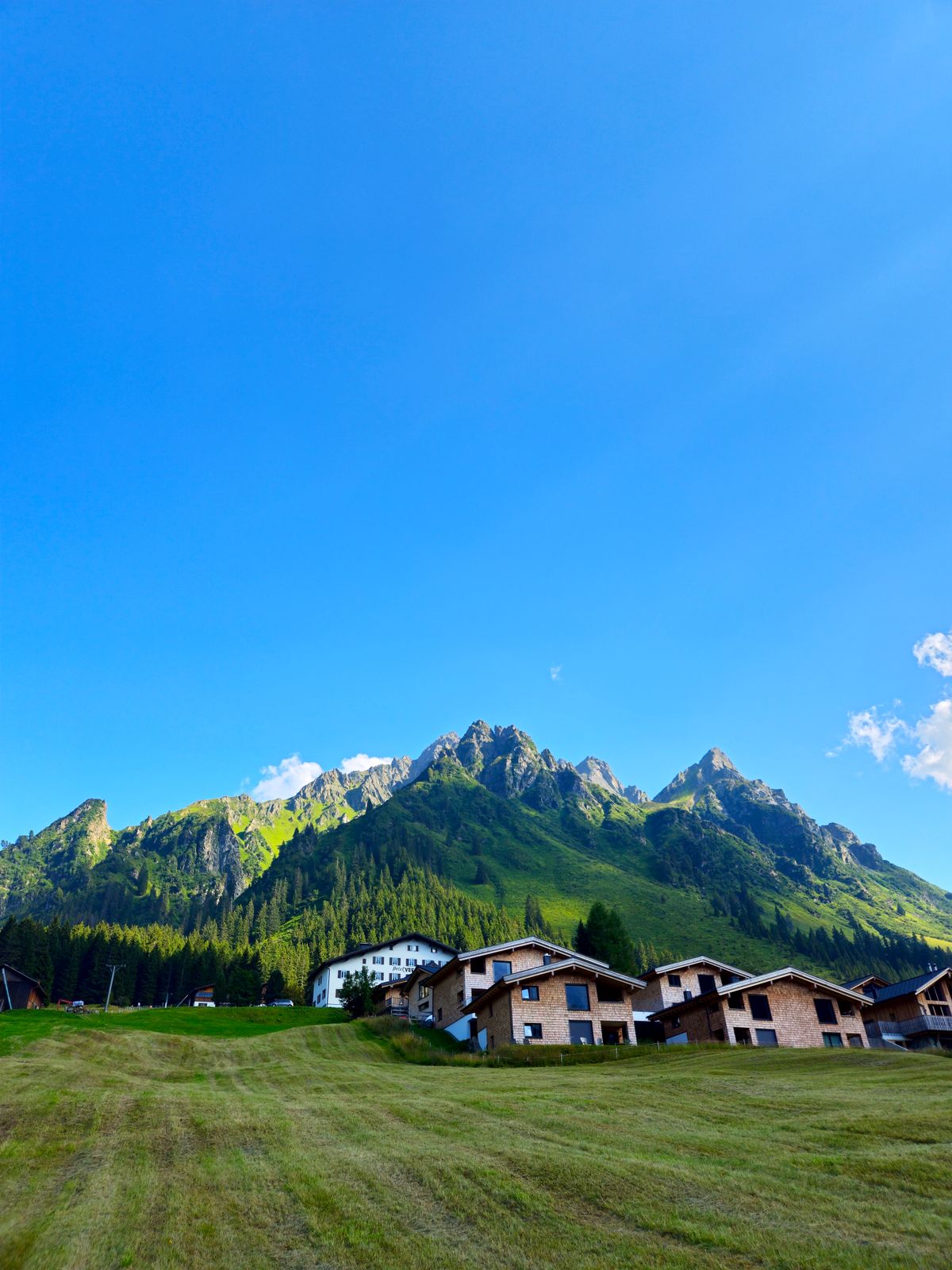
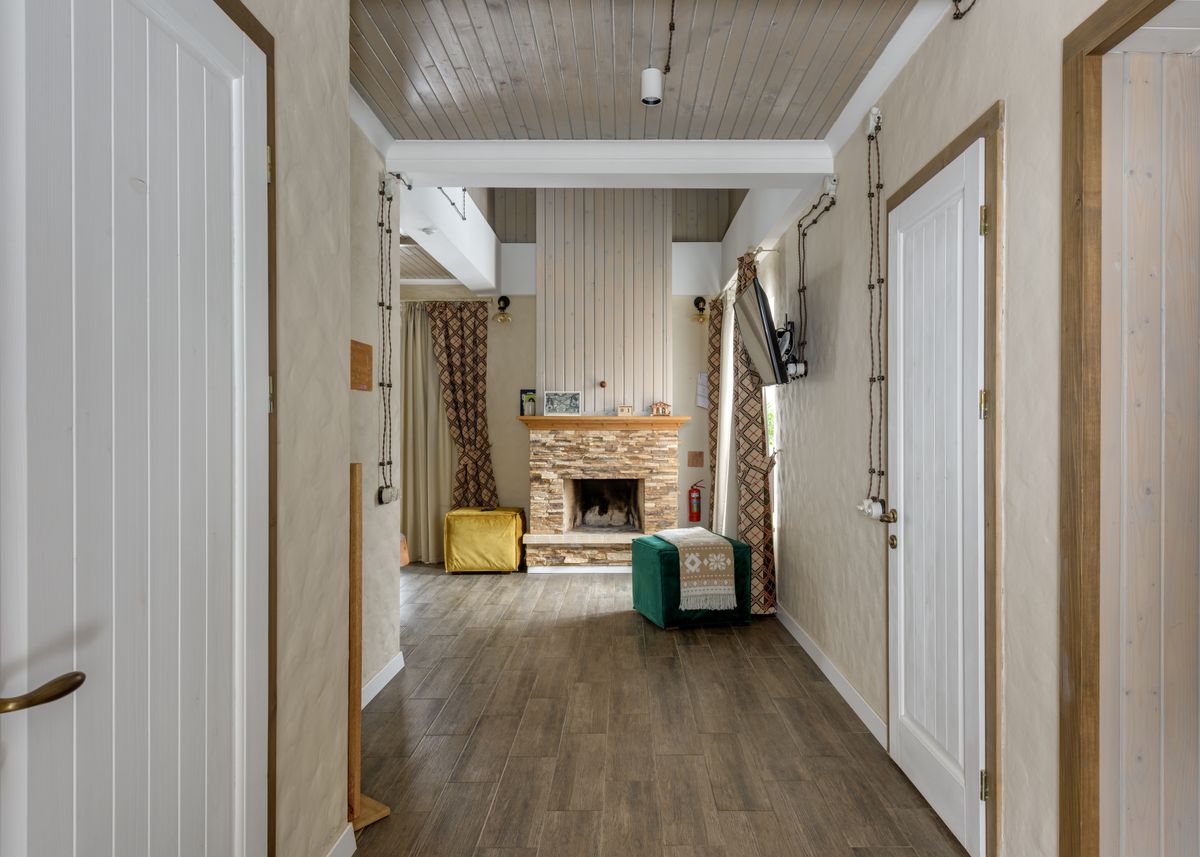
This guide draws on French government second-home letting guidance and its July 2026 update on furnished tourist accommodation, reviewed in October 2026. French examples illustrate why local checks matter; they are not legal or tax advice for every ski destination. All three photographs are illustrative Pexels images, not photographs of a home being offered for rent in this article.
Letting works best when the calendar, service and financial plan support the kind of ownership you actually want. To explore homes with that balance in mind, return to [skiing property for sale](/) on our homepage. Start with a property you understand, prepare it carefully and improve the operation using evidence from real stays.
Use the French government's practical guide to preparing a second home for holiday letting